The short answer
We repair gas furnaces in Mountain View by following the ignition sequence step by step to find exactly where it fails, whether that is a dirty flame sensor, a failed igniter, a pressure switch or a control board. Safety checks for carbon monoxide and heat exchanger condition are part of every visit.
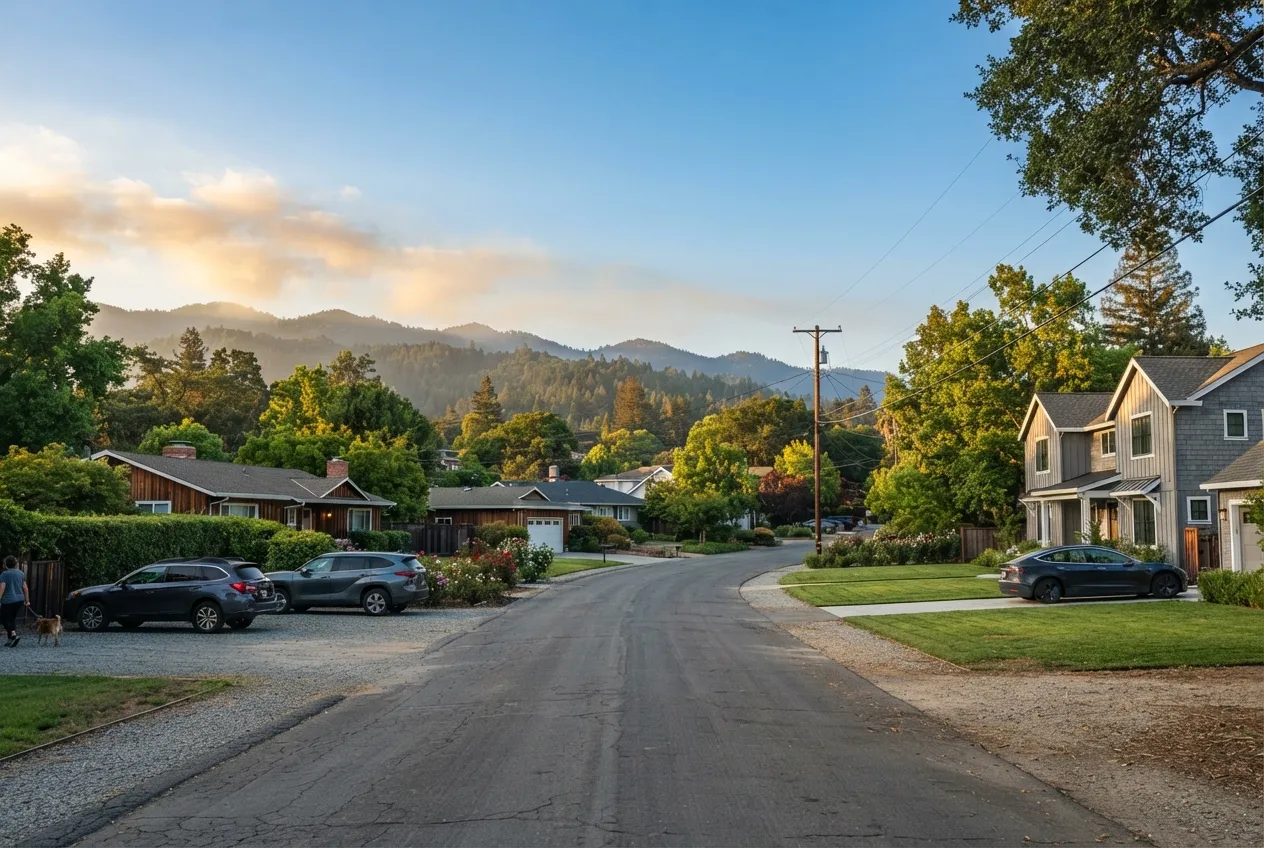
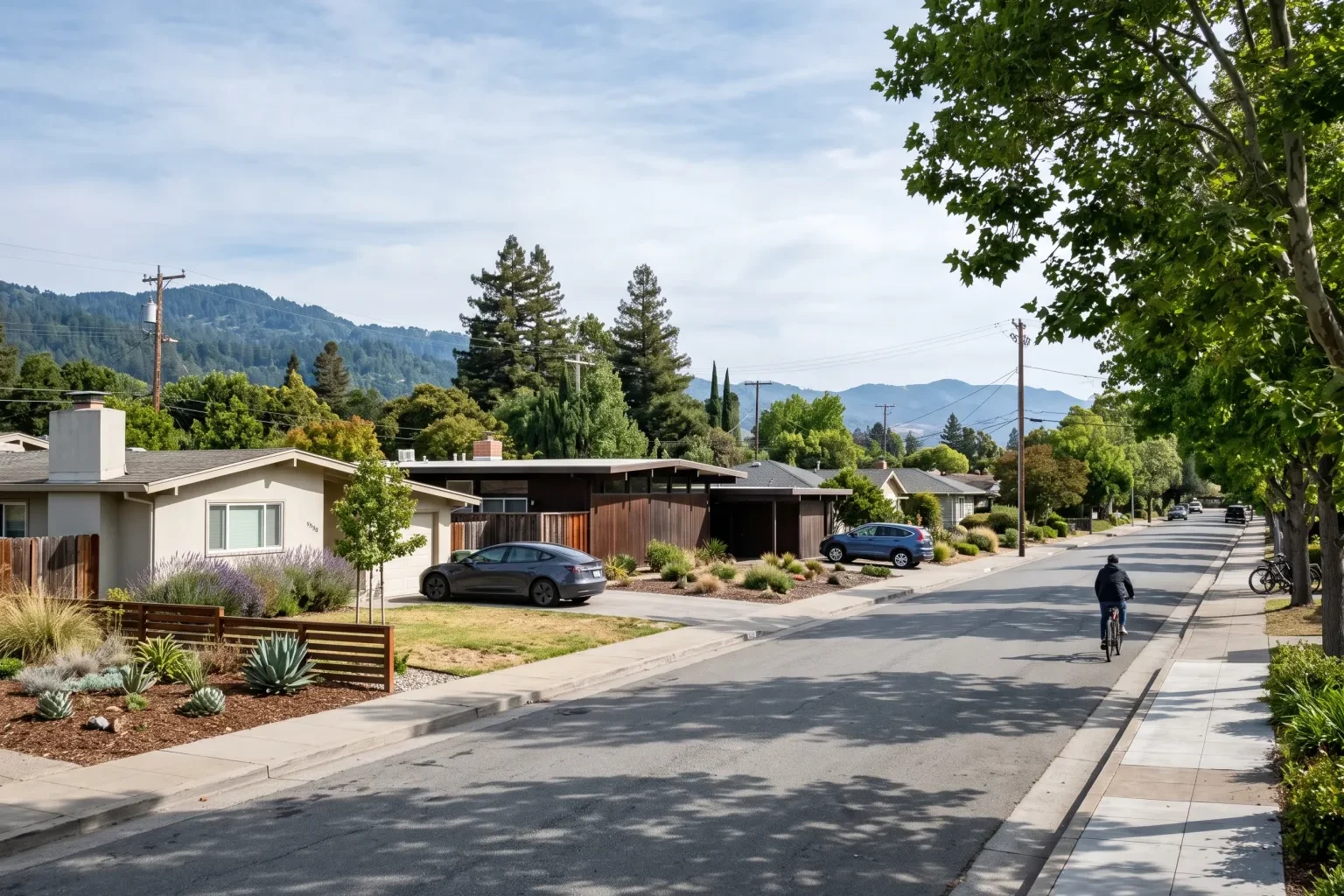
Mountain View winters rarely bring hard freezes, yet the damp chill of a December morning is real, and a furnace that quits overnight turns a comfortable house into a cold one fast. Many gas furnaces here are tucked into hall closets, garages, attics or crawlspaces, and plenty of them have been running quietly for a long time with little attention. ExpertFlow HVAC Repair Service is based in Los Altos, about three miles south, and our technicians repair gas forced-air furnaces throughout 94040, 94041 and 94043. Here is how a modern furnace starts up, where that sequence usually breaks, and what to expect when we come out.
The start-up sequence, and where it breaks
Every call for heat sets off a chain of events inside the cabinet. Knowing the order makes the failures easier to understand, and it is the same order our technicians follow when they troubleshoot.
- The thermostat closes a circuit and asks for heat; a dead thermostat or loose wire stops everything here
- The inducer motor starts to clear the flue; a noisy or seized inducer means no further progress
- A pressure switch confirms the vent is drawing properly; a blocked flue, cracked hose or wet switch holds the furnace off
- The hot surface igniter glows or a spark igniter fires; cracked igniters are a frequent winter failure
- The gas valve opens and burners light
- The flame sensor proves the flame within seconds; a coated sensor shuts the gas off and the furnace retries, then locks out
- The blower starts once the heat exchanger warms, sending heat through the ducts
Problems we find most often in Mountain View
Because heating season here is moderate rather than brutal, furnaces tend to sit idle for months and then work hard for short stretches. Dust settles on flame sensors and burners. Condensate lines on high-efficiency units collect debris and back up, tripping a safety switch. Garage installations pick up lint and grime, and attic units can be hard to reach, so filters there are often forgotten.
We also see thermostat issues after a homeowner upgrades to a smart thermostat without a common wire, and blower problems from motors and capacitors that have simply worn out. Each of these produces a different symptom, which is why the first few minutes of a visit are spent watching the system run through its cycle.
Safety comes before comfort
A gas furnace that runs badly can do more than leave you cold. During every repair we check for flue draft problems, inspect visible parts of the heat exchanger for cracks or rust-through, look at flame color and stability, and use a combustion or carbon monoxide meter where appropriate. If we find a condition that is unsafe, we explain exactly what it is and why the furnace should stay off until it is corrected.
If you smell gas, leave the house first and contact your gas utility from outside. If a carbon monoxide alarm sounds, get everyone out and call emergency services. A furnace repair visit is not the right first step in either case.
What a repair visit includes
We start by asking what you noticed: blinking codes on the control board, unusual smells, short cycling, cold air from the vents or no response at all. The technician then tests components rather than swapping parts on a hunch, confirms the repair by running several complete heat cycles, and checks temperature rise across the furnace to make sure it is operating within the manufacturer's range.
Common parts such as flame sensors, igniters, pressure switches, capacitors and inducer motors are often replaced on the same visit. If a control board or blower motor needs ordering, we tell you how to stay comfortable in the meantime.
When the furnace is near the end
Sometimes the honest answer is that the furnace has reached the point where repair money would be better spent elsewhere, for instance when the heat exchanger is compromised. Bay Area Air District Rule 9-4 means gas furnaces manufactured from 2029 must meet a zero-NOx standard, which in practice points replacements toward heat pumps after that date. The rules do not force anyone to replace equipment that still works, so a sound furnace can keep running. We can lay out both paths so you can choose. Our crews also cover Sunnyvale, Palo Alto, Los Altos Hills, East Palo Alto and Cupertino.
More services in Mountain View
- AC Repair in Mountain View
- Heating Repair in Mountain View
- Heat Pump Installation in Mountain View
- AC Installation in Mountain View