The short answer
Regular maintenance cleans and tests your system so small problems are caught before they become breakdowns. Plan a visit before heating season and another before summer, and expect a written report on the condition of every major component.
Heating and cooling equipment in the Santa Clara Valley lives an odd life. It may sit almost untouched through spring and fall, then run hard during a string of hot inland afternoons or a cold, wet week in January. Those bursts of heavy use are exactly when a neglected part gives out. Routine maintenance is how you move that failure from a sweltering Saturday to a scheduled appointment, or prevent it entirely. ExpertFlow HVAC Repair Service performs tune-ups on furnaces, air conditioners, heat pumps and ductless systems for homes in Los Altos, Los Altos Hills, Mountain View, Palo Alto, Sunnyvale and Cupertino. A maintenance visit is not a quick filter swap and a sticker. It is a methodical inspection, cleaning and measurement of the whole system, followed by a plain report of what we found. We recommend one visit before the heating season and one before summer for households with both heating and cooling, or a single annual visit for homes that mostly heat.
Is it time for a tune-up?
If you cannot remember the last professional service, the answer is probably yes. Beyond that, several signals suggest the system would benefit from attention now rather than later.
Dust collecting quickly on furniture, a filter that looks gray within weeks, or a musty smell on startup all hint at dirty coils or ducts. Uneven temperatures between rooms, longer run times to reach the setpoint and an outdoor unit that hums louder than it used to point to airflow or electrical wear. A rising energy bill with no change in habits is another common clue. Ductless heads that drip or smell sour usually have a clogged drain or coil buildup.
The tune-up checklist
What we check depends on the equipment you have. A typical visit includes the items below, adjusted for gas, electric or heat pump systems.
- Replace or clean the air filter and note the filter size and type for future changes
- Inspect and clean the burners, igniter and flame sensor on gas furnaces
- Check the heat exchanger for cracks or corrosion and test for carbon monoxide at the appliance
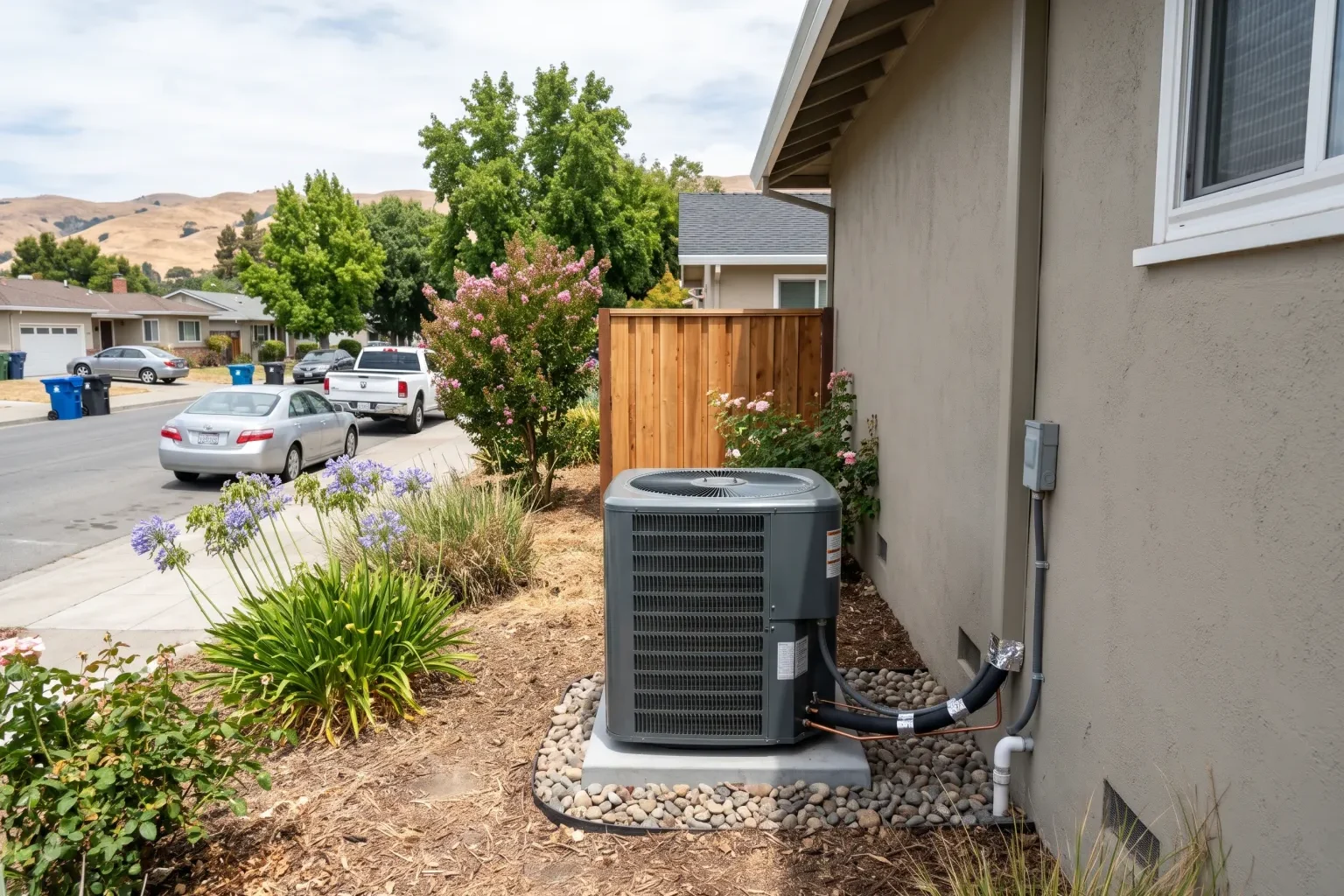
- Wash the outdoor condenser or heat pump coil and clear leaves and debris
- Inspect the indoor evaporator coil and flush the condensate drain and trap
- Measure refrigerant pressures and temperature split to confirm the system is charged correctly
- Test capacitors, contactors and motor amperage against manufacturer specifications
- Lubricate motors and bearings where applicable and inspect blower wheels for dirt buildup
- Verify heat pump reversing valve and defrost operation
- Test thermostat calibration, safety switches and limit controls
- Look over visible ductwork for disconnected joints or crushed sections
What a maintenance visit can reveal about repair or replacement
A tune-up is often the first time anyone has looked inside the cabinet in years, so it can uncover issues worth discussing. Most findings are minor and inexpensive to fix on the spot, such as a weak capacitor, a worn contactor or a clogged drain. We will flag those and you choose whether to have them handled during the same visit.
Sometimes the inspection shows bigger concerns: a heat exchanger with signs of cracking, a compressor drawing excessive current or refrigerant leaks in an older system. In those cases we explain the risk and the realistic choices, from targeted repair to planning a replacement on your schedule. Advance notice is valuable here. Bay Area Air District rules do not require you to replace working equipment, but when a gas furnace does reach the end of its life, the zero-NOx standard for furnaces manufactured from 2029 means many homeowners will look at heat pumps. Knowing your system's condition a season or two ahead gives you time to research and budget.
We do not use maintenance visits to pressure anyone into new equipment. Our goal is an honest picture of how your system is doing.
What affects the cost of maintenance
Maintenance pricing depends on the type and number of systems in the home. A single gas furnace takes less time than a heat pump with an air handler, and a multi-zone ductless system with several indoor heads requires cleaning each one. Equipment location matters, since attic and crawlspace units take longer to reach and service. Heavily soiled coils that need deep cleaning, special filter media and any repairs you approve during the visit add to the total. Households that schedule recurring seasonal visits often find planning easier than calling only when something breaks. We explain the scope before starting so the invoice holds no surprises.
How a maintenance appointment goes
We book a visit window that fits your schedule, ideally in early fall for heating and in spring before the first warm spell for cooling. The technician starts by asking whether you have noticed anything unusual, then shuts off power and works through the checklist, indoors and out.
Most tune-ups take one to two hours per system. At the end, you get a summary of what was cleaned, what was measured and anything that needs attention, sorted by urgency so you know what can wait. We restart the system, confirm it is heating or cooling properly and answer questions about filter changes, thermostat settings and simple upkeep you can do between visits, like keeping plants trimmed back from the outdoor unit.