The short answer
A new AC or heat pump makes sense when your current system is failing often, never kept the house comfortable, or your home has no cooling at all. We measure the house, check ducts and electrical capacity, and size equipment to fit rather than guessing from the old unit.
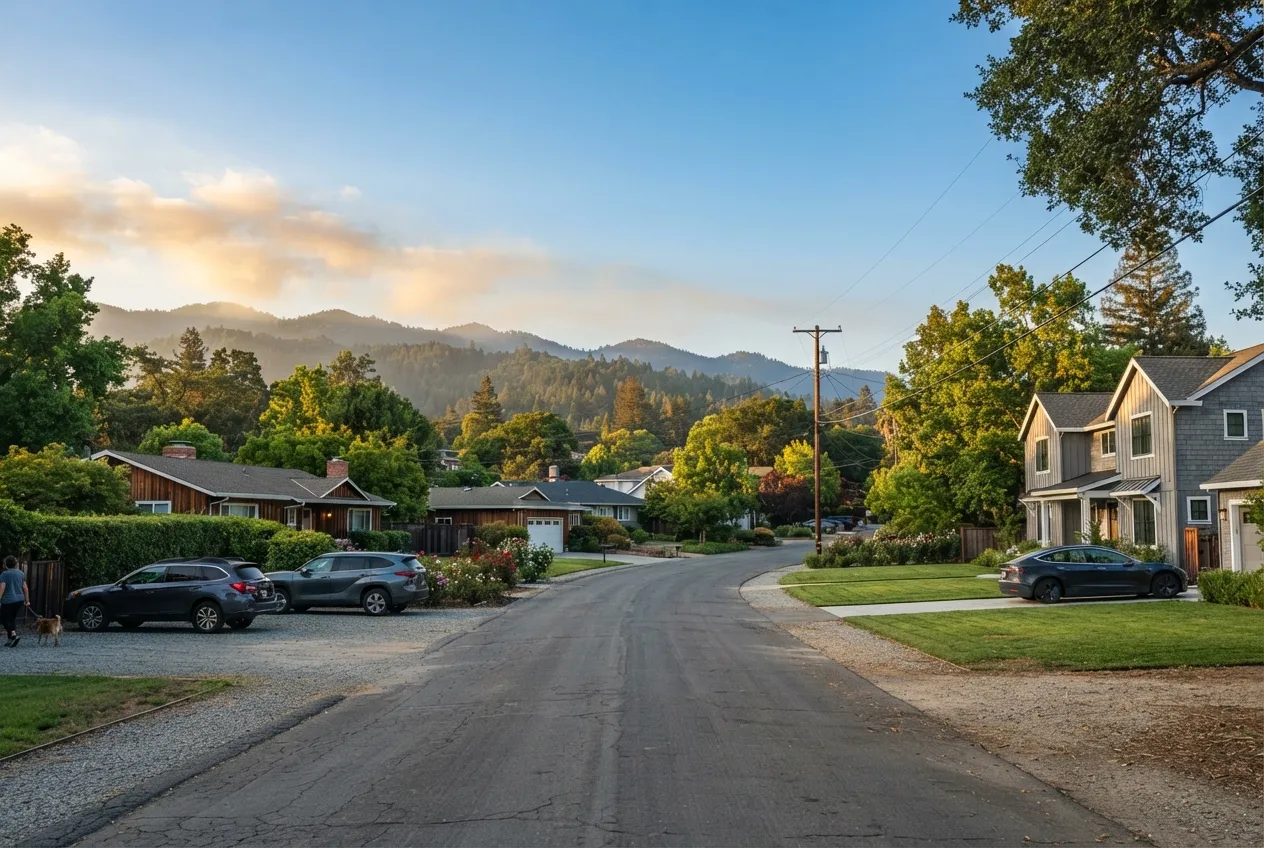
A new air conditioner is a long-term decision, and it touches more of the house than the box in the side yard. Ducts, electrical service, the indoor coil, the thermostat and even where the condensate drains all play a part in how well it performs. ExpertFlow installs central air conditioners, heat pumps and related equipment for homeowners in Los Altos and the neighboring cities of Mountain View, Palo Alto, Sunnyvale, Cupertino and Los Altos Hills. Here is how we approach the project from first conversation to final startup.
When a New System Is Worth Considering
Plenty of homes in the area were built without air conditioning, since summers near the Bay are often mild. Hotter spells and warmer inland afternoons have changed that for many families, especially in upstairs bedrooms and rooms with large west-facing windows. Other homeowners already have a system, but it is reaching a point where installation makes more sense than another round of repairs.
- The existing condenser or coil has failed and repair would be a major expense
- The system has needed several significant repairs in a short span
- Some rooms never cool, no matter how long the unit runs
- The house has no central cooling and the furnace ducts could support it
- You are replacing a furnace and want one heat pump to handle both seasons
- A remodel or addition changed the house enough that the old equipment no longer fits
Our Pre-Installation Survey
Sizing an air conditioner by copying the old one's label is a common shortcut, and it often repeats the original mistake. Instead, we look at the house itself: square footage by room, ceiling heights, window area and orientation, insulation where we can see it, and how the home is laid out. That information supports a load calculation that drives the equipment size.
The ducts get equal attention. We inspect visible runs in the attic or crawlspace, check for crushed flex duct and disconnected joints, and measure static pressure if a system is already in place. A well-matched condenser connected to restrictive or leaky ducts will still leave rooms uncomfortable and may shorten its own life.
Electrical capacity matters too. Larger homes and those planning electric vehicle chargers or induction cooking may already be close to their panel's limits. We note the panel size and available breaker space so there are no surprises on installation day.
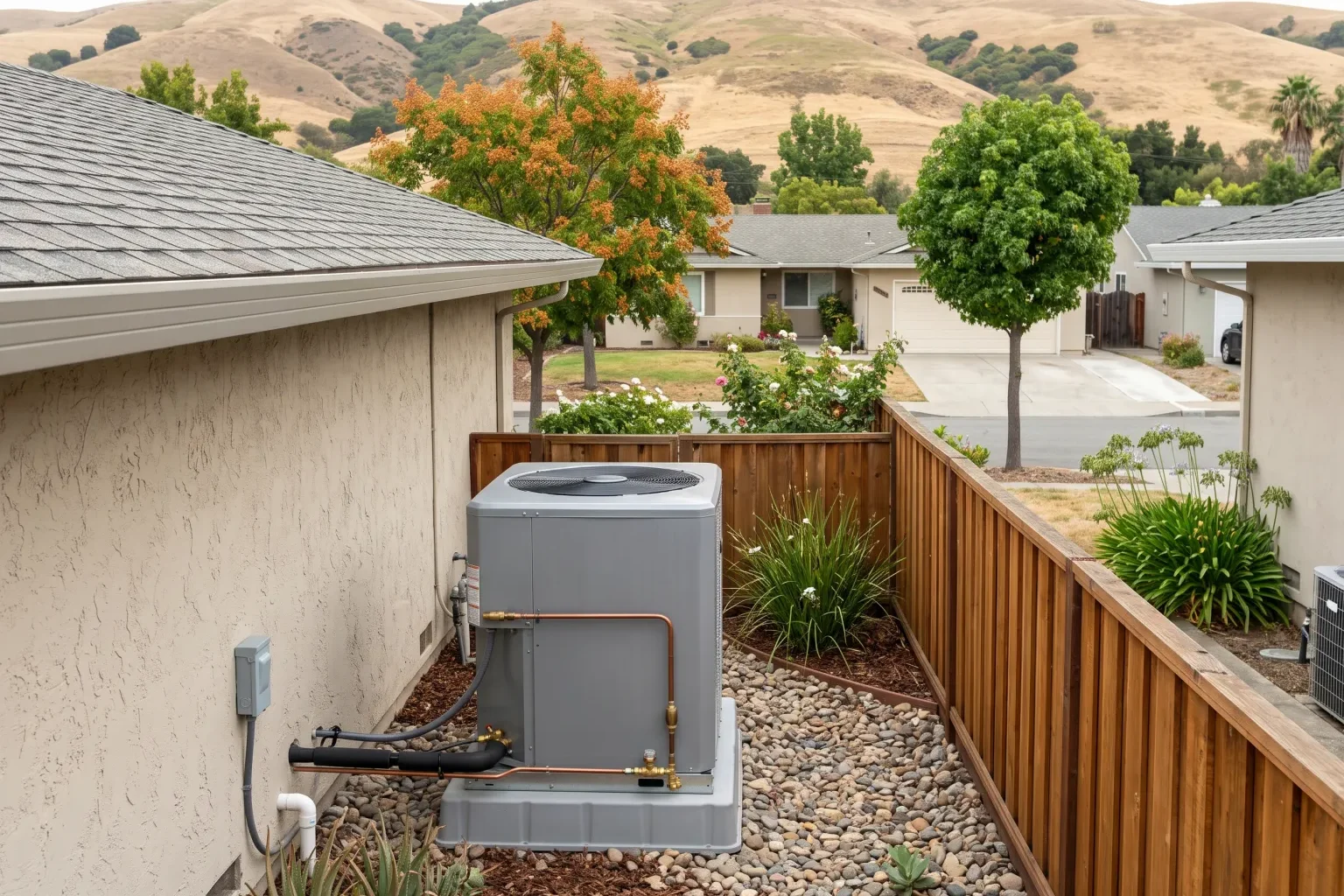
Finally, we look at the outdoor location. Clearance for airflow, distance from bedroom windows, sound, drainage and any HOA rules all affect where the condenser or heat pump can go.
Choosing Between Repair, a Straight Swap and a Heat Pump
Not every visit about installation ends with new equipment. If the current system has life left and the problem is a single failed part, we will tell you. When replacement does make sense, there are usually two main paths.
A conventional air conditioner paired with your existing gas furnace keeps the heating side as it is. That can suit homes where the furnace is relatively new. A heat pump, by contrast, handles both cooling and heating with one outdoor unit. Bay Area Air District rules do not require anyone to remove a working furnace, but gas furnaces manufactured from 2029 must meet a zero-NOx standard, which in practice points toward heat pumps for later replacements. Installing a heat pump now can avoid a second major project a few years down the road.
For homes with no ducts, or for additions the central system cannot reach, ductless mini-splits are another option we can plan alongside a central system.
Factors That Shape the Installation Cost
We provide a written quote after the survey. The main variables are the type and capacity of equipment, whether it is a single-stage, two-stage or variable-speed model, and how much supporting work is needed. Duct repair or replacement, a new indoor coil or air handler, electrical upgrades, a new pad or wall bracket, long refrigerant line runs and permit requirements all add to the scope.
Incentives can offset part of the investment for heat pumps. The federal 25C tax credit applied only to systems placed in service before December 31, 2025, so it does not cover new installations. BayREN and your local clean energy provider may offer current programs; we check what is available before putting any figure in your quote.
Matching Equipment to Local Conditions
The Santa Clara Valley has a Mediterranean climate with dry summers and mild, damp winters, and inland or southern parts of the valley run noticeably hotter than neighborhoods near the Bay. A home in Cupertino or Los Altos Hills with afternoon sun on the back of the house may need a different approach than a shaded Mountain View bungalow, even if the floor area is similar.
Because heat waves here tend to be short and intense, variable-speed equipment can be a good fit: it runs gently most of the time and ramps up when the afternoon peaks. In two-story homes, we may suggest zoning or a separate system for the upper floor rather than oversizing one unit to push air upstairs. If a heat pump will also heat the house, we size it with winter mornings in mind, not just summer afternoons.
Installation Day and Startup
Our crew protects floors and work areas, removes the old equipment and sets the new condenser or heat pump and indoor components. Refrigerant lines are brazed, pressure tested and evacuated to remove moisture before the system is charged. Electrical connections, the condensate drain and the thermostat are completed and checked.
At startup, we verify refrigerant charge, airflow and supply temperatures, then walk you through the thermostat and filter schedule. You will know how the system should sound and feel, and what to watch for in its first weeks.
Most jobs also need a permit and a final inspection by the city, and we coordinate that schedule with you. In older Los Altos and Palo Alto homes, we may also replace a worn return grille, add a filter rack that is easier to reach, or reroute a condensate line that used to drain somewhere it should not.
AC Installation by city
- AC Installation in Los Altos Hills
- AC Installation in Mountain View
- AC Installation in Cupertino
- AC Installation in Palo Alto
- AC Installation in Sunnyvale
- AC Installation in Santa Clara
- AC Installation in Saratoga
- AC Installation in Portola Valley
- AC Installation in East Palo Alto
- AC Installation in Menlo Park
- AC Installation in Atherton
- AC Installation in Campbell