The short answer
Most East Palo Alto homes need a modest, carefully sized AC system rather than a large one, because the city sits right on the Bay and rarely sees long heat waves. We measure the house, check the ducts and electrical panel, and then recommend central, ductless or heat pump cooling to match.
Plenty of houses in East Palo Alto were built without central air, and for decades that worked fine because the breeze off the Bay kept most afternoons tolerable. That has been changing. A run of warm September days, a bedroom on the sunny side of a stucco ranch house, or a home office that bakes after lunch is often what pushes an owner to finally add cooling. ExpertFlow HVAC Repair Service drives up from Los Altos, roughly eight miles south, to plan and install air conditioning across East Palo Alto and the rest of the San Mateo County side of the Peninsula. This page explains how we approach a new system in this particular city: the questions we ask about your house, the equipment choices that tend to fit, and the small-lot details that matter more here than in a big suburban backyard.
Why sizing matters so much next to the Bay
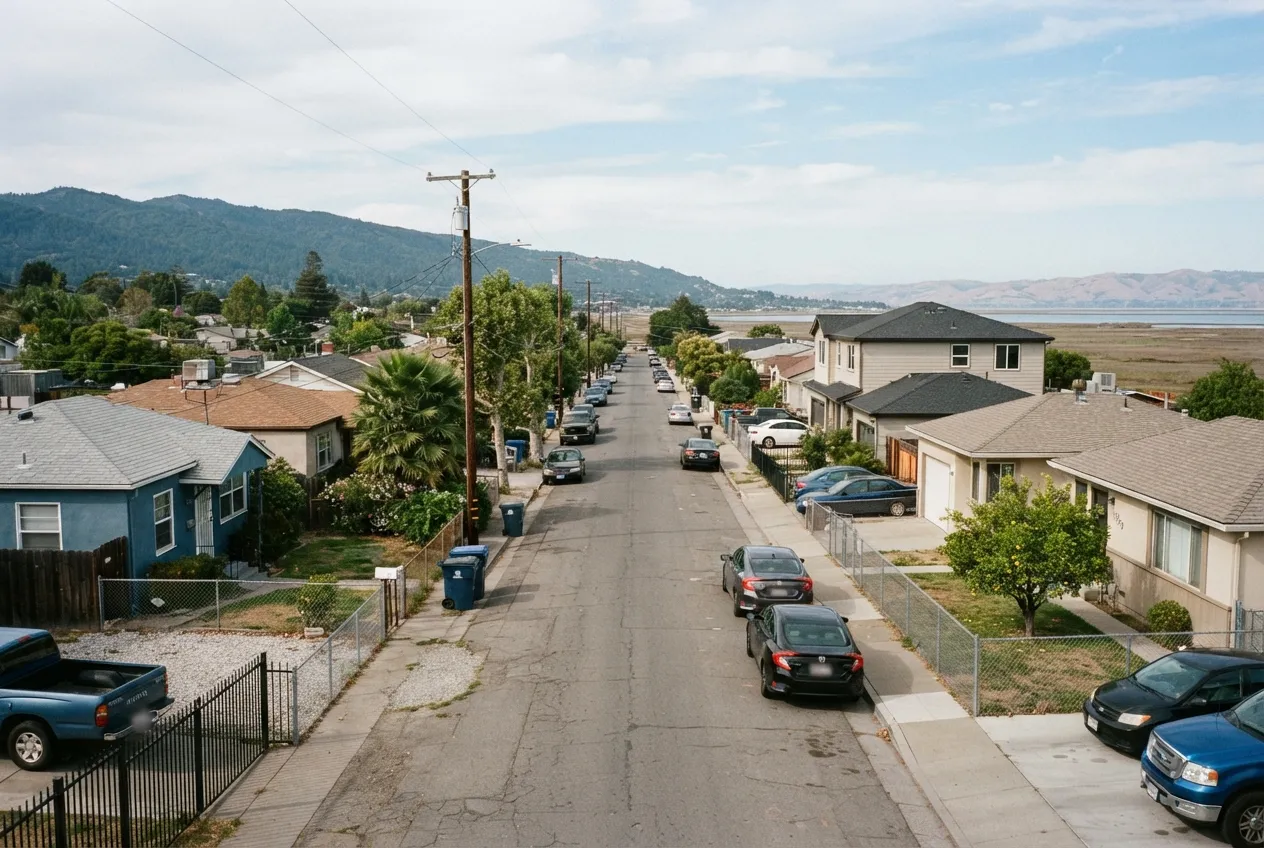
East Palo Alto is one of the lowest, flattest spots on the Peninsula, sitting right along the water. Summers are dry, but the marine air usually takes the edge off by evening. That pattern means an oversized air conditioner is a real risk: it cools the room in a few short bursts, shuts off before it has pulled moisture out of the air, and leaves the house feeling clammy instead of comfortable. It also cycles on and off more, which is harder on the compressor.
So we start with a room-by-room load calculation rather than a rule of thumb based on square footage. Window area, which direction the living room faces, attic insulation, ceiling height and how many people are home during the day all go into the number. In many single-story homes here the result is a smaller unit than an owner expects, and that is usually good news for both comfort and the electric bill.
Matching the system to the house you actually have
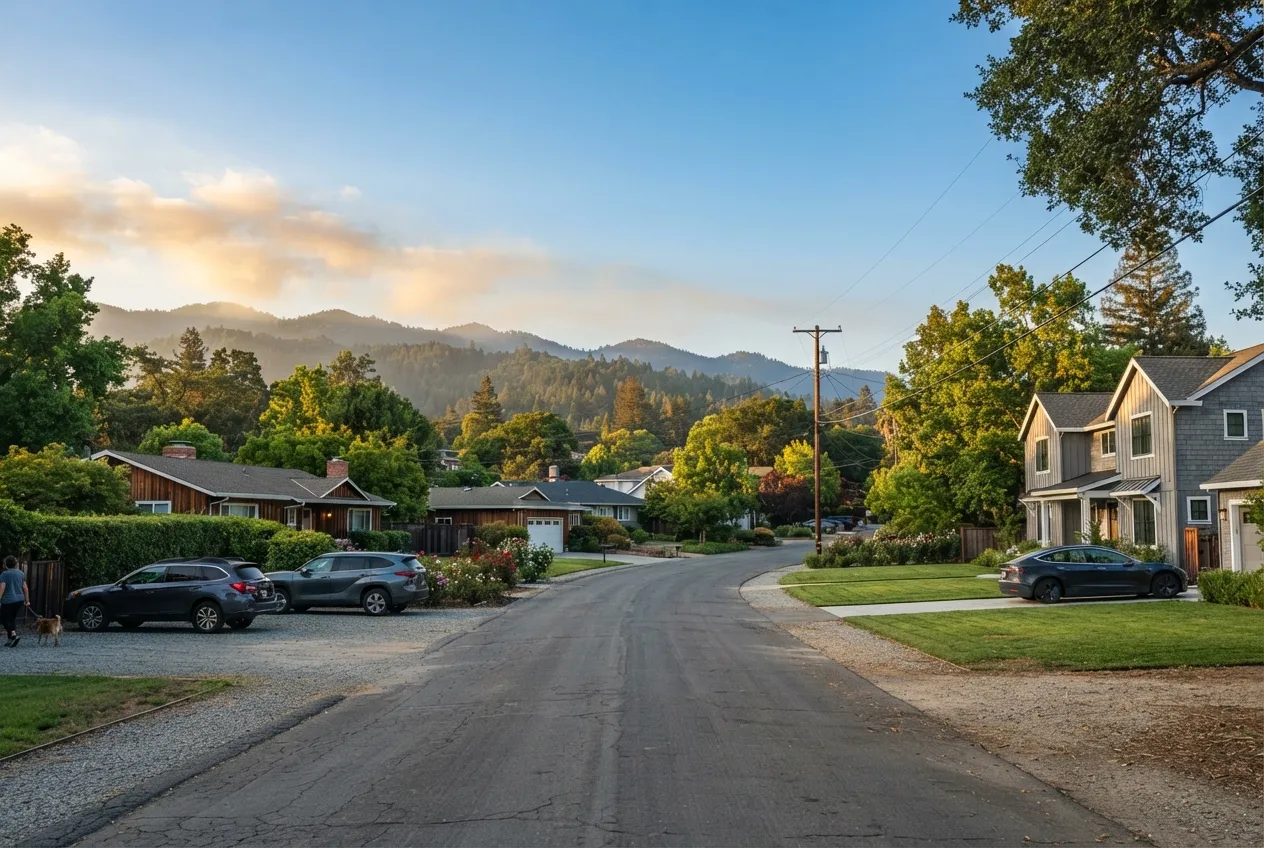
The housing stock in East Palo Alto ranges from postwar single-story homes to newer townhouses and remodels with second-floor additions. Each one points toward a different kind of installation, and part of our visit is simply figuring out which category your home falls into.
- Homes with an existing forced-air furnace and usable ducts can often take a split AC or heat pump that shares the same duct system, which keeps the job contained.
- Older houses heated by a wall heater or floor furnace have no ducts to reuse, so ductless mini-splits are frequently the cleaner option, with one indoor head per main room.
- Two-story layouts and additions often have one floor that runs much warmer, which can call for zoning or a separate small system for the upper level.
- Townhouses with shared walls and tight side yards need careful thought about where the outdoor unit can legally and practically sit.
Small lots, outdoor units and neighbors
Side yards in much of the city are narrow, and the outdoor condenser has to go somewhere it can breathe, be serviced and not sit right under a neighbor's bedroom window. We look at clearances, drainage, sun exposure and how the refrigerant lines will reach the indoor equipment before suggesting a spot. A shaded, level pad with open air around it keeps the unit running efficiently on warm afternoons.
Noise is worth discussing up front. Modern variable-speed outdoor units are considerably quieter than the single-speed machines of the past, and on a compact lot that difference can matter to you and to the people next door. We will tell you what to expect for sound levels from the models we are considering.
Ducts and electrical panels: the hidden half of the job
Adding cooling to an existing duct system only works if the ducts can move enough air. Many older homes here have ductwork that was sized for heat alone, with leaky joints in the attic or crawlspace and undersized returns. We inspect what is there and tell you plainly whether it can be sealed and reused, needs a few sections replaced or should be rethought.
The electrical side gets the same attention. An air conditioner or heat pump needs its own dedicated circuit, and some older panels in the area simply have no room left. Knowing this before the install day avoids surprises, and we can explain what a panel upgrade would involve if one turns out to be necessary.
Because East Palo Alto is its own city in San Mateo County, permits for new equipment go through the city, and we build that step into the schedule.
Thinking about a heat pump instead
If your furnace is also getting old, it is worth asking whether one heat pump could handle both cooling and heating. Under Bay Area Air District rules, gas furnaces manufactured from 2029 must meet a zero-NOx standard, which in practice steers replacements toward heat pumps. Those rules do not force anyone to remove working equipment, so there is no pressure to act early, but it is a sensible thing to weigh when you are already installing new outdoor equipment. We can price out both paths so you can compare them side by side.
Incentives for heat pumps change with each funding cycle, so we check current BayREN and local clean energy provider offers before quoting anything.
More services in East Palo Alto
- AC Repair in East Palo Alto
- Heating Repair in East Palo Alto
- Heat Pump Installation in East Palo Alto
- Furnace Repair in East Palo Alto