The short answer
Furnaces in East Palo Alto usually fail at the start of the heating season, when ignition parts, flame sensors and filters that sat idle all summer are suddenly asked to work. We diagnose the fault, check safety controls and venting, and explain your repair options clearly.
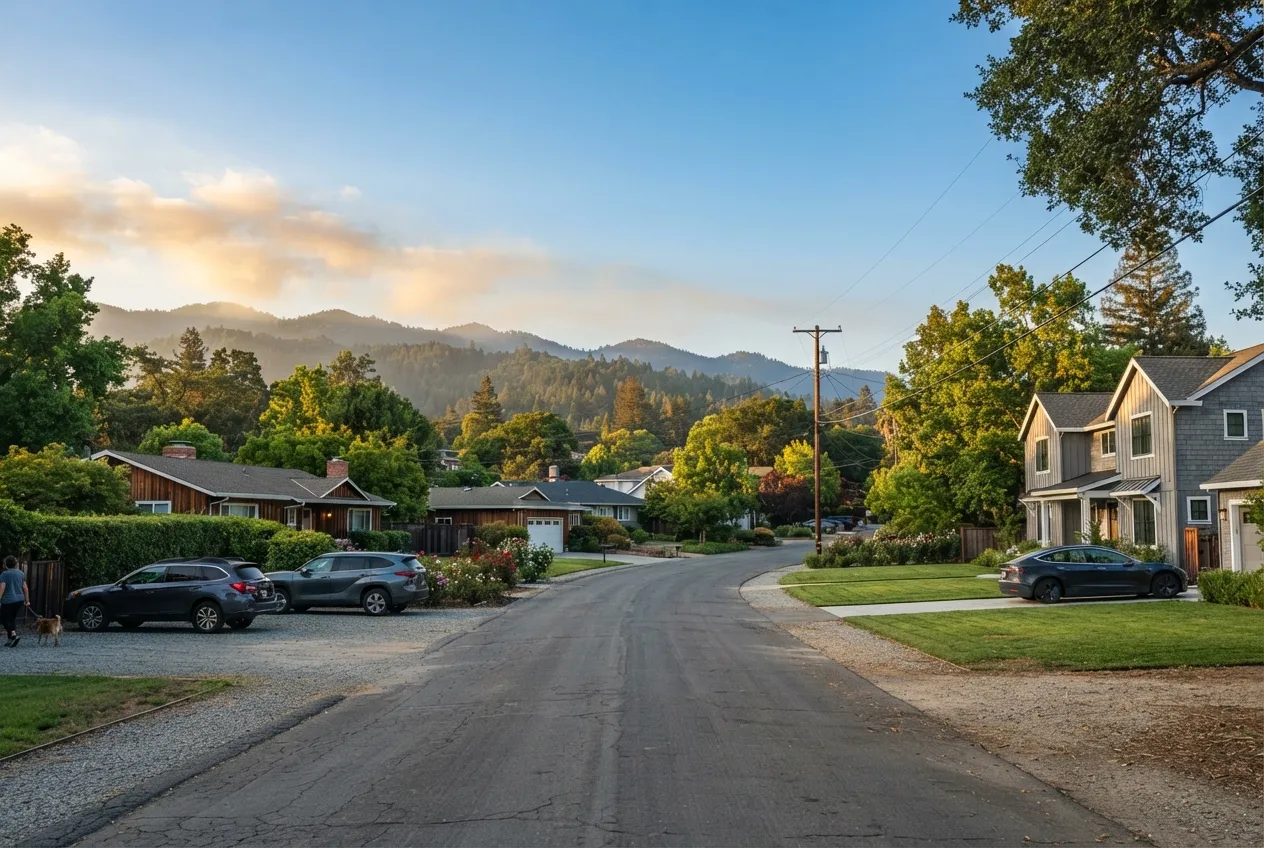
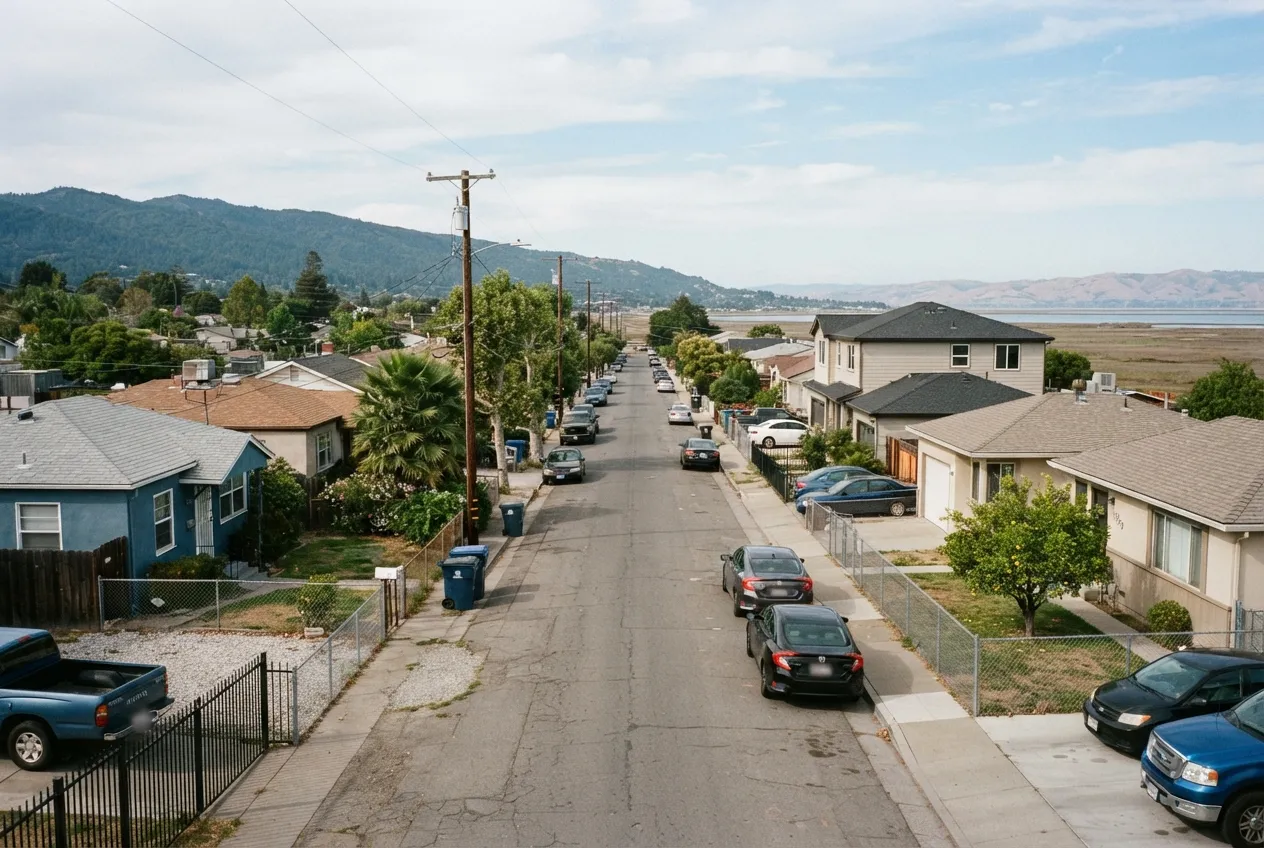
Winter in East Palo Alto is rarely harsh, yet the damp chill that settles in near the Bay on a December night can make a dead furnace feel urgent. Gas furnaces here often go months without running, then fire up on the first cold evening with dusty burners, a weak igniter or a flame sensor coated in residue. ExpertFlow HVAC Repair Service sends technicians north from Los Altos, roughly eight miles, to troubleshoot and repair furnaces of every age, from the newer high-efficiency units in remodeled homes to the older standard models still tucked into hall closets and garages around the city. Here is what we look for, what the warning signs mean, and how we help you decide between a repair and a replacement without any pressure to rush.
Signs your furnace needs attention
A furnace rarely quits without some hint first. Paying attention to these early signals can turn an evening without heat into a planned repair.
- The burners light, run for a few seconds and shut off, then repeat the cycle.
- You hear the inducer motor start but the burners never ignite.
- The blower keeps running, yet the air from the registers feels lukewarm.
- A burning-dust smell lingers well beyond the first few minutes of the season.
- The control board shows a blinking light code you have not seen before.
- Your carbon monoxide alarm sounds or you notice headaches when the heat is on.
Common furnace faults in the area
Short cycling is the complaint we hear most at the start of the season. In many cases a flame sensor has picked up a thin layer of oxidation, so the control board cannot confirm the flame and shuts the gas off as a safety measure. Cleaning or replacing the sensor fixes it, but we also check why it fouled so quickly.
Hot surface igniters are fragile and wear out with age, and a cracked one will glow faintly or not at all. Pressure switches and inducer motors are another frequent culprit: if the venting is partly blocked or a small hose has cracked, the furnace will refuse to light. High-efficiency models add a condensate drain to the list, and a clogged trap can shut them down just like a blocked AC drain.
Finally, older ducts in crawlspaces and attics around the city sometimes leak enough warm air that a perfectly healthy furnace still cannot keep the back bedrooms comfortable. We check for that as part of the visit so you are not paying to fix the wrong thing.
Safety comes before comfort
Every furnace repair includes a look at the parts that keep combustion gases out of your living space. We inspect the heat exchanger where it is accessible, check the flue and venting for proper draft, verify gas pressure and test the limit and rollout switches. If anything indicates a carbon monoxide risk, we will explain it and recommend shutting the unit down until it is resolved.
If your alarm has gone off, leave the house, call the gas utility or emergency services from outside, and do not restart the furnace until it has been inspected.
Repair now, or plan the next step?
Most furnace problems are repairable, and a working system with a sound heat exchanger is often worth keeping going. The Bay Area Air District rules do not require anyone to replace a furnace that still works; they apply only when a unit fails or is replaced.
It is still worth knowing the timeline. Under Rule 9-4, natural gas furnaces manufactured from 2029 must meet a zero-NOx emission standard, which in practice points homeowners toward heat pumps for future replacements. If your furnace is old and needs an expensive part, that context can help you decide whether to repair it now or start planning for a different kind of system. We will give you the facts on both, and the choice stays with you.
Habits that keep a furnace reliable
Changing the filter at the start of the heating season and every few months after that is the single easiest thing you can do. Keep the furnace closet clear of stored boxes and cleaning supplies, and make sure return grilles are not blocked by furniture. A fall check-up lets a technician clean the flame sensor, test the igniter and confirm safe venting before you need heat. We provide the same service in Menlo Park, Palo Alto, Atherton and Mountain View.
More services in East Palo Alto
- AC Repair in East Palo Alto
- Heating Repair in East Palo Alto
- Heat Pump Installation in East Palo Alto
- AC Installation in East Palo Alto