The short answer
East Palo Alto's mild, Bay-influenced climate is a good match for heat pumps, which heat and cool with one system. We assess your ducts, electrical panel and layout, then install a ducted or ductless heat pump sized to the house, with current incentive information confirmed before we quote.
A heat pump is one piece of equipment that does two jobs: it moves heat out of your home in summer and pulls heat in from the outdoor air in winter. In a place with a climate as gentle as East Palo Alto, where freezing nights are uncommon and summer heat is usually moderated by the Bay, that design works especially well. Owners here tend to start asking about heat pumps for one of three reasons: an aging gas furnace, a wish to add cooling for the first time, or a general move toward an all-electric house. ExpertFlow HVAC Repair Service, based about eight miles south in Los Altos, plans and installs ducted and ductless heat pumps throughout East Palo Alto. This page walks through the decisions involved, from equipment type to wiring to the rules and incentives that actually apply right now.
Why the local climate favors heat pumps
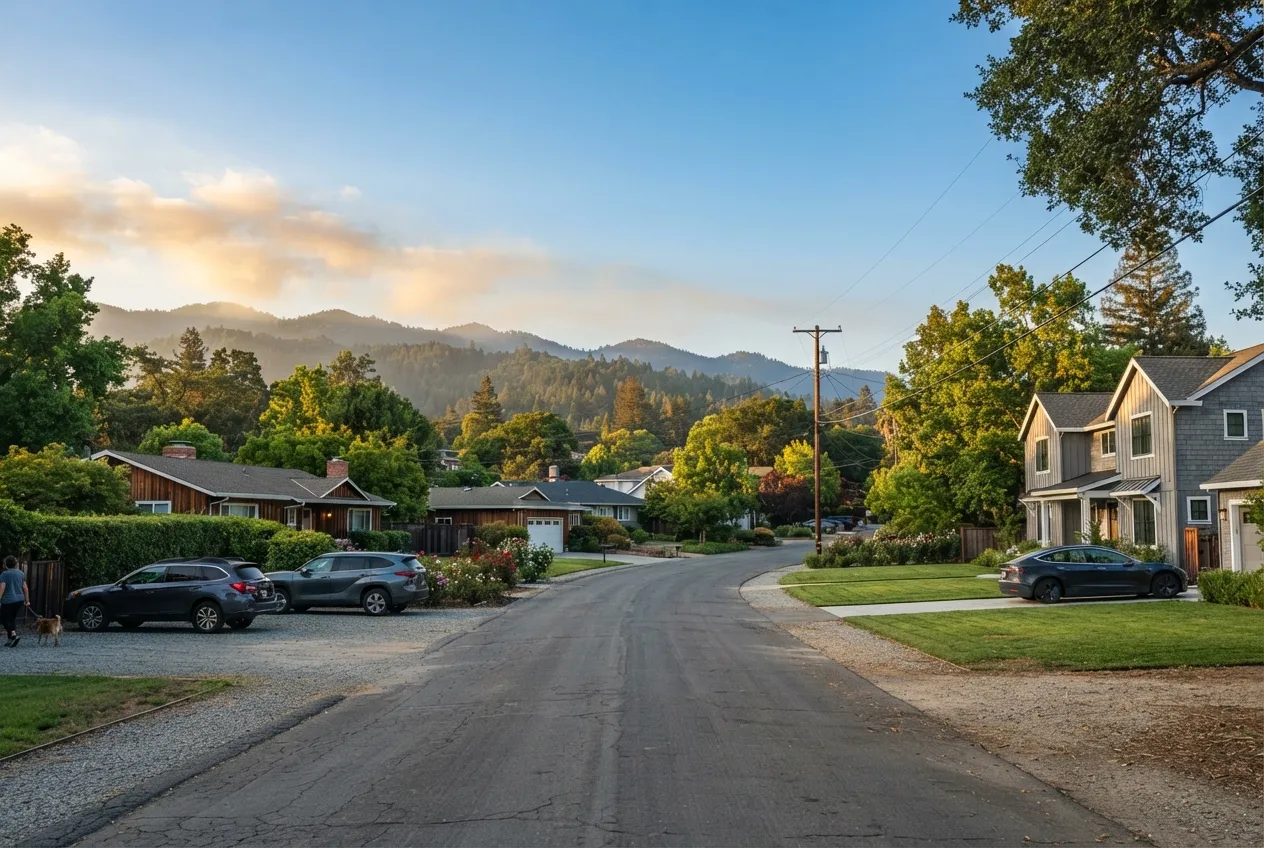
Heat pumps are most efficient when the difference between indoor and outdoor temperatures is modest, and that describes most of the year near the southern end of San Francisco Bay. Winters are mild and damp rather than cold, so the system rarely needs to fall back on backup electric heat. Summers are dry, with warm spells that are real but usually short.
For a homeowner, this means a properly sized heat pump can carry the whole house through both seasons. Many households that once used a furnace in winter and fans in summer end up with steadier temperatures all year, along with cooling they never had before.
Ducted or ductless: reading your house
The choice usually comes down to what is already in the walls and attic. If your home has a forced-air furnace with ducts in reasonable condition, a ducted heat pump can connect to that same system. The indoor air handler replaces the furnace, and the outdoor unit sits where an AC condenser would.
Homes heated by a wall furnace, floor furnace or baseboard heaters have no ducts to reuse. In those houses, ductless mini-splits are often the practical answer. Each indoor head serves a room or open area, and the line sets run through small openings in the wall. Some homes use a mix, with a ducted unit for the main floor and a ductless head for a converted garage or addition.
- Ducted systems keep equipment out of sight and work well where ducts can be sealed and reused.
- Ductless systems let each room be set to its own temperature and avoid duct losses entirely.
- Hybrid layouts suit homes that have grown through additions over the years.
Rules, timelines and what they mean for you
Under Bay Area Air District Rule 9-4, natural gas furnaces manufactured from 2029 must meet a zero-NOx emission standard. In practice that will point most furnace replacements toward heat pumps after that date. The rules do not require anyone to remove equipment that still works; they apply when a furnace fails or is replaced. So you can plan a switch on your own schedule rather than waiting for a breakdown in the middle of winter.
Water heaters are on a separate track. The zero-NOx date for small water heaters under Rule 9-6 was set for 2027, and the Air District Board is considering amendments in November 2026 that could delay it. If you are thinking about electrifying your water heater along with your heating, it is worth checking the current status of that rule first.
On the money side, the federal 25C tax credit covered qualifying heat pumps placed in service before December 31, 2025, and is not available for new installations. Regional and utility programs are a different story. BayREN and your local clean energy provider may offer heat pump or electrification incentives, but amounts and availability change by funding cycle. We confirm the current offer before including it in any quote.
Panel capacity and outdoor placement
Switching from gas heat to a heat pump adds electrical load, and some older panels in the area are already crowded. We check the panel's rating and open spaces early in the process. Many heat pumps run on modest circuits, and in some cases load management or a smaller-capacity model avoids a full upgrade.
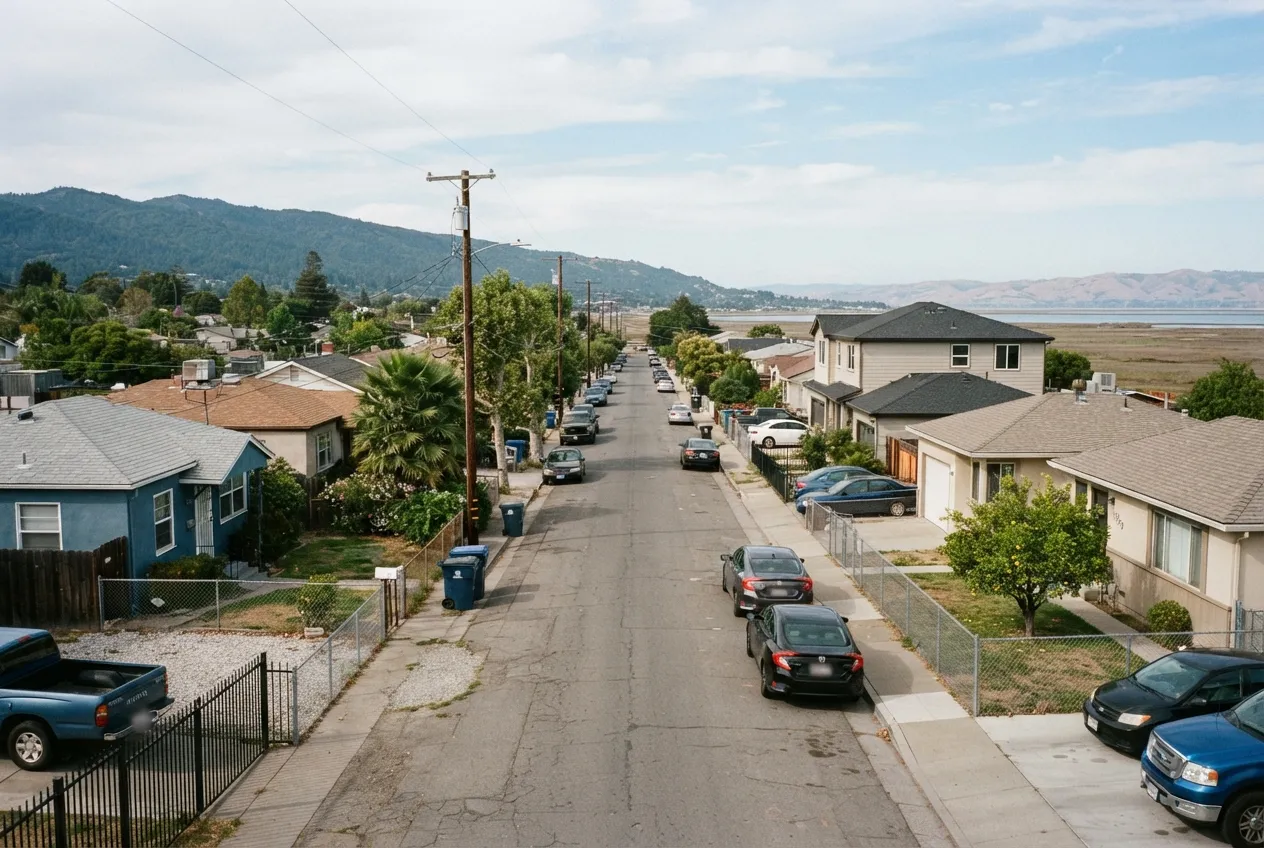
Outdoor units need airflow, a level base and room for service. On the compact lots common in the city, we pay attention to setbacks, a spot that allows defrost water to drain away from walkways, and keeping the unit away from neighbors' windows.
From first visit to first season
The process starts with a walk-through and a load calculation for every room. You receive a written proposal that explains the equipment, the location of each component and any duct or electrical work involved. After installation we test the system in both heating and cooling modes, show you how to use the thermostat or remotes, and explain the simple upkeep that keeps it efficient. We also install heat pumps in Menlo Park, Atherton, Palo Alto, Mountain View and Los Altos Hills.
More services in East Palo Alto
- AC Repair in East Palo Alto
- Heating Repair in East Palo Alto
- AC Installation in East Palo Alto
- Furnace Repair in East Palo Alto