The short answer
A heat pump is a strong choice for Los Altos homes because the mild climate lets it heat and cool efficiently with one system. We assess your ducts, electrical panel and layout, then recommend a ducted, ductless or hybrid setup that fits.
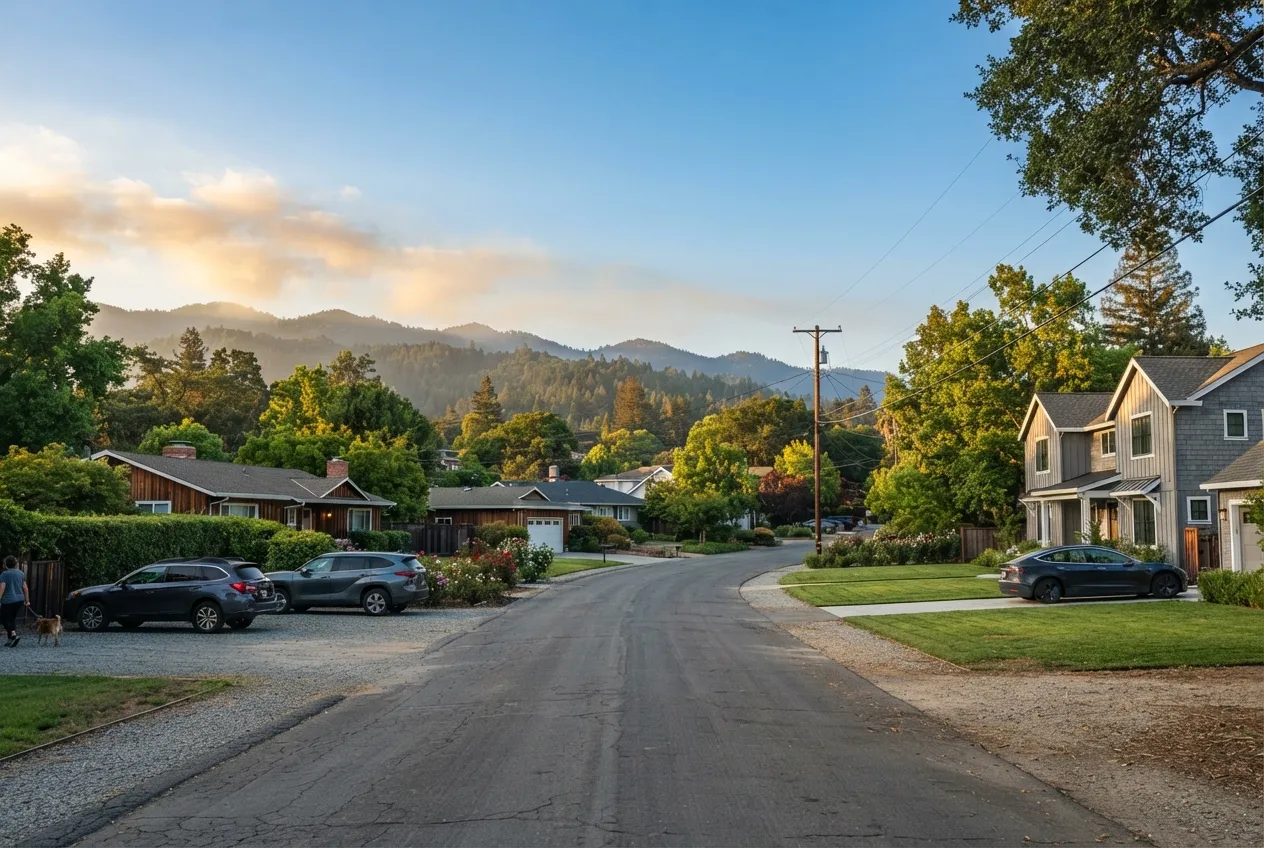
Heat pumps have moved from a niche choice to a mainstream one in the South Bay, and the local climate is a big reason. With dry summers, mild damp winters and few truly freezing nights, the Santa Clara Valley gives a heat pump an easy job in both seasons. One outdoor unit moves heat out of the house in July and pulls heat in during January, replacing a separate furnace and air conditioner with a single electric system. ExpertFlow HVAC Repair Service installs ducted and ductless heat pumps for homeowners in Los Altos, Los Altos Hills, Mountain View, Palo Alto, Cupertino and Sunnyvale. Some clients are replacing a failed furnace, some are adding cooling to a house that never had it, and others want to stop burning gas before their equipment reaches the end of its life. Each of those starting points leads to a slightly different plan, and the sections below explain how we get there.
Good moments to make the switch
The smoothest heat pump projects are planned, not rushed. If any of these describe your situation, it is worth getting an assessment now rather than waiting for a breakdown:
- Your furnace or central air conditioner is aging and starting to need regular repairs
- The house has no air conditioning and summer afternoons are getting harder to tolerate
- You are planning solar panels, a battery or an electric vehicle charger and want to coordinate panel capacity
- A remodel or addition is underway, giving easy access to walls, attic and ducts
- You want to move away from gas appliances on your own timeline
- Gas and electric bills together feel high for the comfort you are getting
Site survey: what we measure and inspect
A heat pump that fits the house is quiet, steady and efficient. One that does not fit runs constantly or cycles too often. We begin with a room-by-room load calculation that considers insulation, window area and sun exposure, ceiling heights and air leakage, because these drive the size of the system far more than square footage alone.
If you have ducts, we inspect them for leaks, crushed sections and undersized returns. Heat pumps often deliver air at a gentler temperature than a gas furnace, so good airflow matters more. We also check the electrical panel: available capacity, open breaker spaces and the service size. Many older Los Altos homes have smaller panels, and in some cases a load management device or panel upgrade is part of the plan.
Outdoors, we look for a level spot with clearance for airflow and service, ideally away from bedroom windows and property lines. Indoors, we check where the air handler or coil will go, whether it fits the existing closet or attic platform and how condensate will drain.
Choosing between repair, a hybrid system and full electrification
If you already own a heat pump that is underperforming, repair often comes first. Low refrigerant from a small leak, a stuck reversing valve, a failed defrost control or a weak outdoor fan motor can all be fixed. We recommend replacement only when the compressor has failed on an older system, when the unit was never sized correctly or when the refrigerant it uses has become difficult and expensive to service.
For homes moving off gas, there are three common paths. A fully ducted heat pump replaces both furnace and AC and uses your existing ducts. A ductless or mixed system serves homes without ducts, or targets rooms the ducts never reached. A hybrid, or dual-fuel, setup pairs a heat pump with a gas furnace as backup; it can be a stepping stone for homeowners not ready to remove gas entirely.
Regulation is part of the backdrop. Air District Rule 9-4 requires natural gas furnaces made from 2029 onward to meet a zero-NOx limit, so furnace replacements after that point will lean heavily toward heat pumps. It is not a mandate to remove working equipment. Planning now simply means you choose the timing.
Cost drivers for a heat pump project
Quotes for heat pump installation vary widely, and the reasons are usually visible during the survey. Equipment capacity and efficiency tier matter, as does the choice of single-stage or variable-speed inverter technology. Ductwork condition is a large variable: sealing or replacing leaky runs adds scope, while sound ducts keep it down. Electrical work, from a new circuit to a panel upgrade, can be significant in older homes.
Other factors include the location of the indoor unit, line set length, removal of old equipment, a new pad or wall bracket, thermostat or control upgrades and permit requirements in your city.
On incentives, be cautious with older advice online. The federal 25C home improvement credit applied only to qualifying heat pumps placed in service before December 31, 2025, so it does not help with a new installation today. BayREN and local clean energy providers run heat pump and electrification programs, but funding cycles change the amounts and availability. We check the current offer before putting it in a quote.
Installation, start to finish
After the survey, you receive a written proposal with the recommended equipment, scope and any electrical or duct work. Once you approve, we secure permits and coordinate an electrician if panel work is needed.
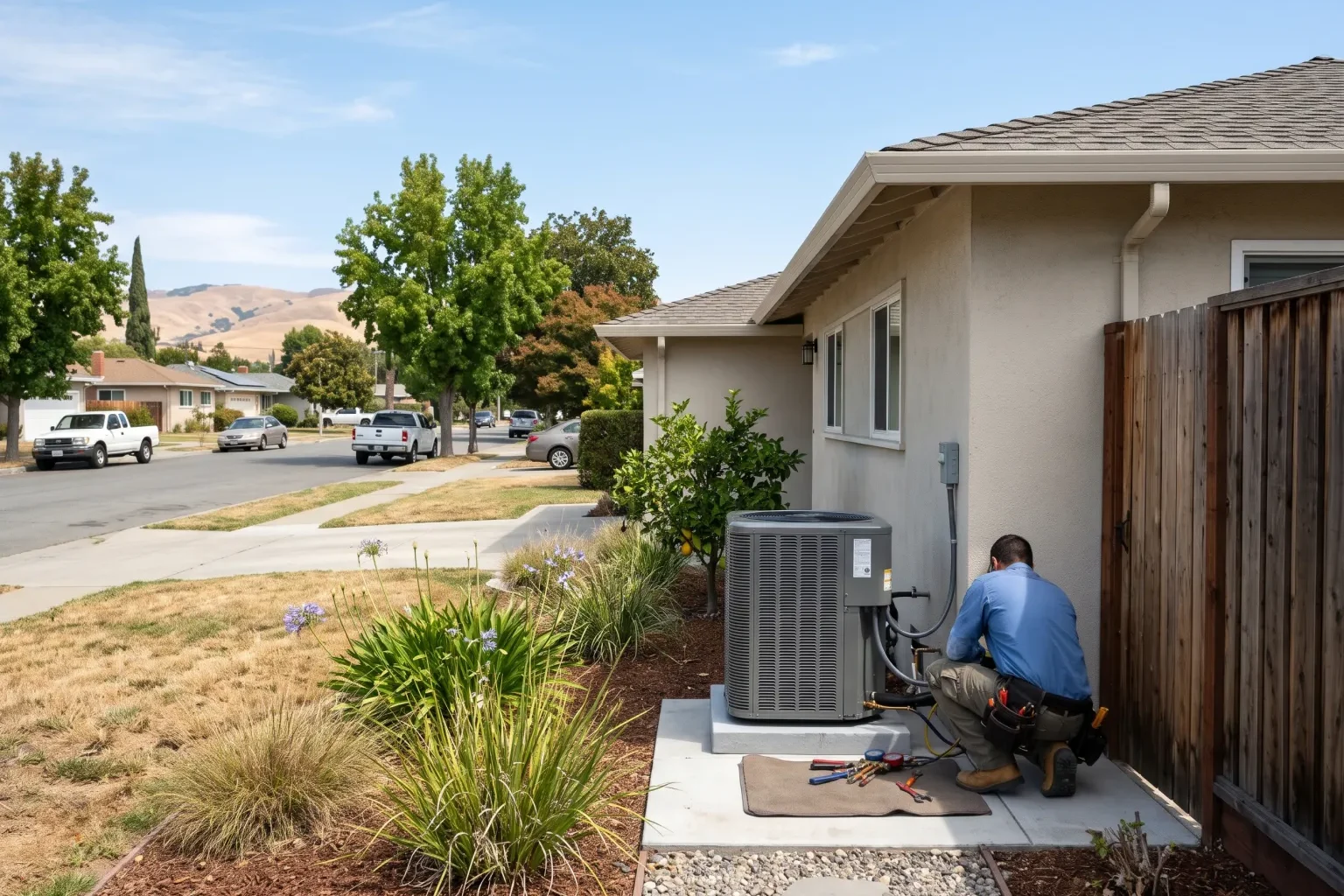
On install day, the crew protects the work areas, removes the old furnace or air conditioner, sets the outdoor unit and indoor air handler or coil, runs and brazes the refrigerant lines, and connects power, controls and condensate drainage. We pressure test with nitrogen, evacuate the lines to a deep vacuum and verify charge and airflow. Then we commission the system in both heating and cooling modes and set up the thermostat for heat pump operation, including the auxiliary heat settings if your system has them. You get a walkthrough of filter care and how the defrost cycle looks and sounds, so nothing about the new system surprises you. A city inspection completes the job.
Heat Pump Installation by city
- Heat Pump Installation in Los Altos Hills
- Heat Pump Installation in Mountain View
- Heat Pump Installation in Cupertino
- Heat Pump Installation in Palo Alto
- Heat Pump Installation in Sunnyvale
- Heat Pump Installation in Santa Clara
- Heat Pump Installation in Saratoga
- Heat Pump Installation in Portola Valley
- Heat Pump Installation in East Palo Alto
- Heat Pump Installation in Menlo Park
- Heat Pump Installation in Atherton
- Heat Pump Installation in Campbell