The short answer
A heat pump can replace both your furnace and air conditioner in a Santa Clara home. A good installation depends on proper sizing, ducts that can carry the airflow, and an electrical panel with room for the new circuit, all of which we check before recommending equipment.
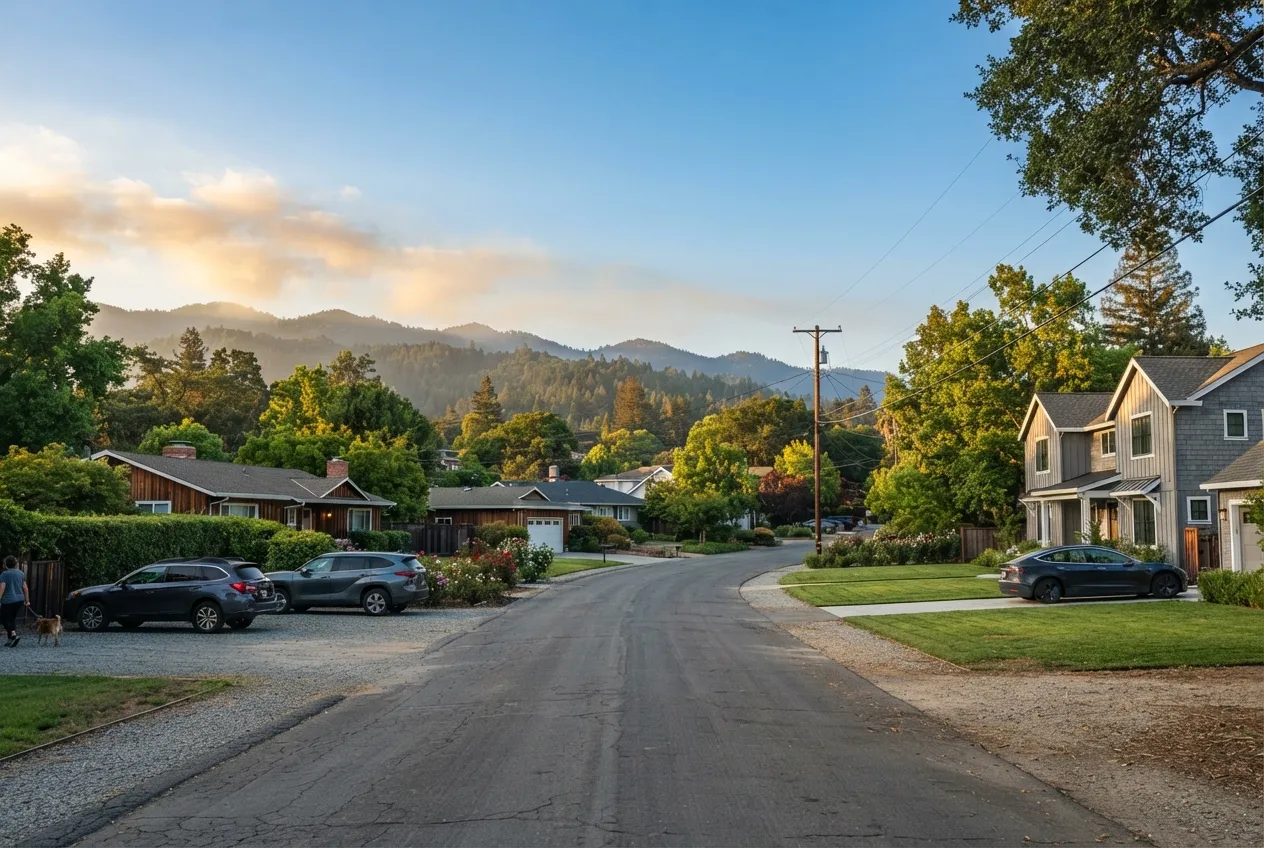
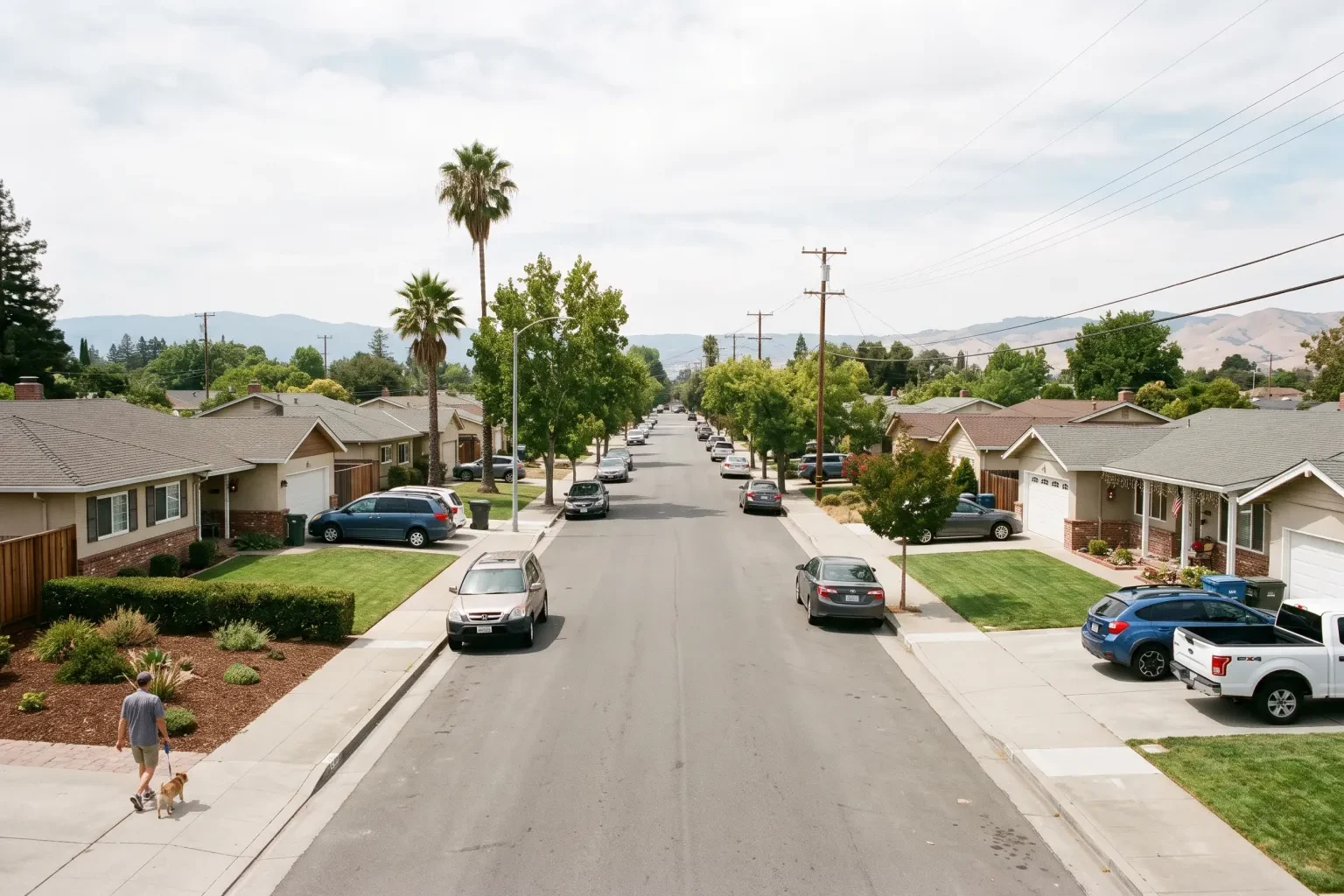
Santa Clara's climate is close to ideal for a heat pump. Summers are dry and warm, winters are mild and damp, and there are few nights cold enough to push the equipment hard. That makes one electric system that both heats and cools a practical replacement for the furnace-plus-AC setup found in many homes across 95050, 95051, 95053 and 95054. ExpertFlow HVAC Repair Service designs and installs ducted and ductless heat pumps throughout the city, about 7 miles east of our base in Los Altos.
Four Questions That Shape the Project
Heat pump projects differ more from house to house than a simple AC swap does. Before recommending a system, we work through these questions with you during an in-home assessment.
- Does the home have usable ducts, or would a ductless or mixed system serve it better?
- How much heating and cooling capacity does the house really need, based on a room-by-room load calculation?
- Can the electrical panel accept a new dedicated circuit, or is a panel upgrade or load-management device needed?
- Where can the outdoor unit sit with good airflow, a short line set run, and reasonable distance from bedrooms and neighbors?
Ducted, Ductless, or Both
If your home already has a forced-air furnace and ducts in decent condition, a ducted heat pump is usually the most straightforward route. The outdoor unit replaces the AC condenser, and an indoor air handler or a matched coil takes the place of the furnace. We inspect and seal the ducts first, since leaks in an attic cost a heat pump efficiency in both seasons.
Homes without ducts, or with additions that were never connected to the central system, are good candidates for ductless mini-splits. Each indoor head serves one room or zone and is controlled separately. Some Santa Clara houses end up with a hybrid: a ducted system for the main living space and a single ductless head for a converted garage or a sunroom that runs warmer than the rest.
The Rules and Incentives, Stated Plainly
Homeowners hear a lot of conflicting information about electrification. Here is what applies. Under Bay Area Air District Rule 9-4, natural gas furnaces manufactured from 2029 must meet a zero-NOx standard, which in practice steers replacements after that date toward heat pumps. The rule does not require anyone to pull out a working furnace.
The federal 25C tax credit covered qualifying heat pumps placed in service before December 31, 2025, and is not available for new installations after that. Local help may still exist: BayREN and your clean energy provider publish current heat pump and electrification incentives, and those change by funding cycle. We confirm the current offer before including it in any quote.
Comfort Details That Matter Here
Heat pumps deliver heat differently from a gas furnace. The air from the registers feels warm rather than hot, and the system runs longer, gentler cycles. In Santa Clara's mild winters that steady output keeps rooms more even, but it helps to know what to expect so you do not mistake normal operation for a problem.
Thermostat setup matters too. Deep nighttime setbacks can trigger backup electric heat on some systems, which raises operating cost. We configure the controls for the equipment you have and show you how to adjust them without fighting the system.
What Happens to the Gas Line and Water Heater
Switching the space heating to a heat pump does not automatically change the rest of the house. If you still have a gas water heater, cooktop or dryer, the gas service stays in place for them, and the furnace connection is simply capped when the old unit comes out. Some owners prefer to electrify in stages, and a heat pump for heating and cooling is a common first step.
If the water heater is on your list too, timing deserves a look. The Air District's zero-NOx date for small water heaters under Rule 9-6 was set for 2027, and the Board is considering amendments in November 2026 that could delay it, so it is worth checking the current rule before planning that replacement. We can account for a future heat pump water heater when sizing the electrical work now, so the panel is not opened twice.
From Assessment to First Run
After the assessment and your approval, we schedule the installation, coordinate any electrical work, and handle the required city permit. On installation day we remove the old equipment, set the outdoor unit on a level pad, install the indoor components, run and pressure test the refrigerant lines, and commission the system in both heating and cooling modes. Before we leave, we review the thermostat, filter location, and what routine care the system needs.
More services in Santa Clara
- AC Repair in Santa Clara
- Heating Repair in Santa Clara
- AC Installation in Santa Clara
- Furnace Repair in Santa Clara