The short answer
Most furnace repairs we handle in Santa Clara involve ignition parts, flame sensors, pressure switches, blower motors and clogged filters. We diagnose the fault, check the furnace for safe operation, and give you clear options before any work begins.
A furnace in Santa Clara spends most of the year doing nothing. Then a string of damp winter mornings arrives, the thermostat calls for heat, and a system that has been idle since spring is expected to start cleanly on the first try. That long rest is exactly why so many furnace problems here show up in the first cold week. ExpertFlow HVAC Repair Service repairs gas and electric furnaces throughout Santa Clara, roughly 7 miles east of our Los Altos base, covering 95050, 95051, 95053 and 95054.
The Furnace Sequence, and Where It Breaks
A modern gas furnace follows a fixed order every time it starts. Understanding that order makes it easier to describe what you are seeing, and it is how our technicians trace a fault.
When the thermostat calls for heat, the inducer fan clears the heat exchanger, a pressure switch confirms the vent is open, the igniter glows or sparks, the gas valve opens, and a flame sensor proves the burners lit. Only then does the main blower start pushing warm air through the ducts. If any step fails, the control board stops the sequence and often flashes a code.
- Inducer hums but nothing lights: pressure switch, blocked vent or condensate drain
- Burners light, then shut off after a few seconds: dirty or failing flame sensor
- Clicking with no glow: cracked hot surface igniter
- Burners run but the house stays cold: blower motor, capacitor or belt problem
- Furnace cycles on and off rapidly: overheating from a clogged filter or restricted return
Problems We See Often in Santa Clara Homes
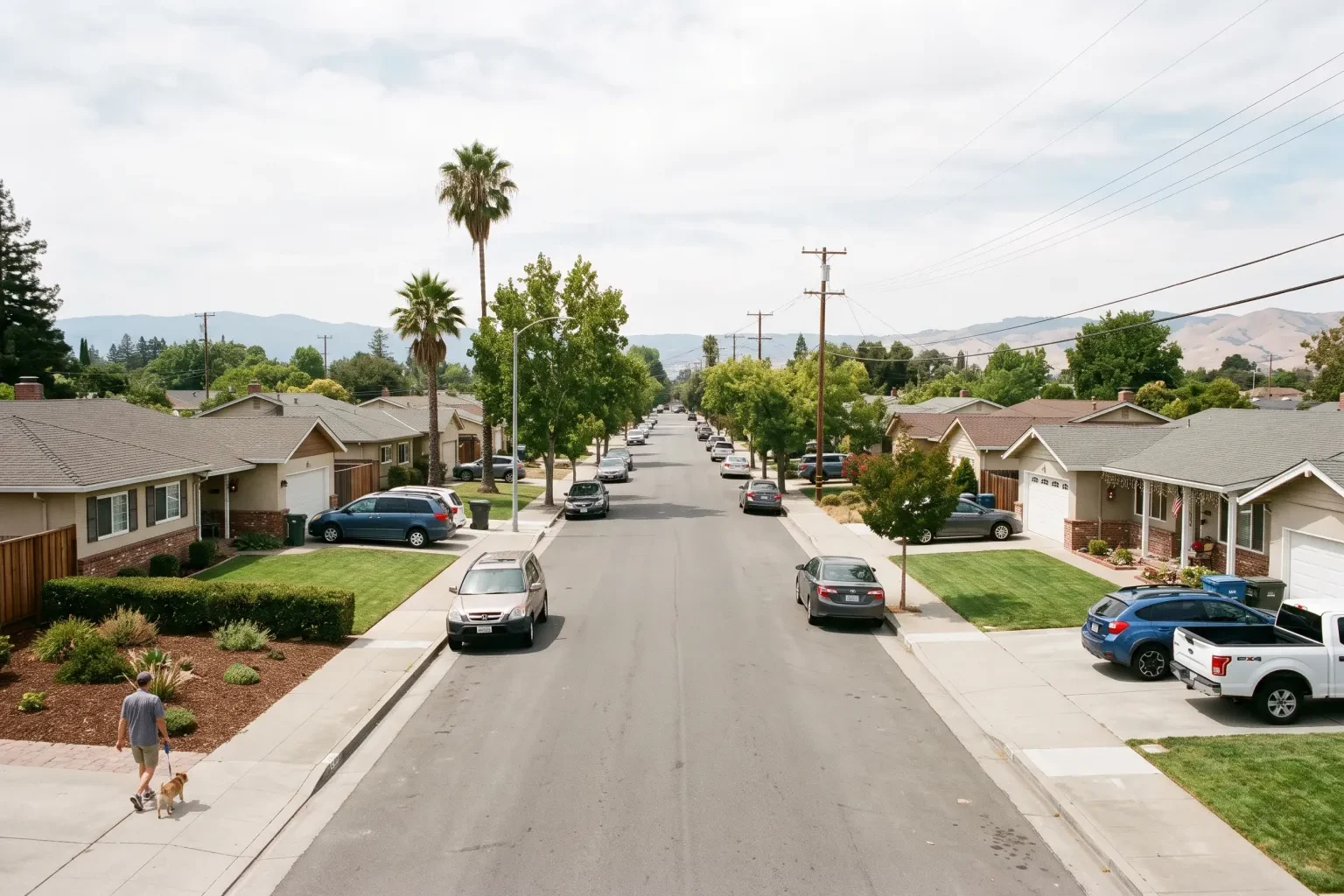
Many furnaces in the city are tucked into hallway closets, garages or attics in single-story houses. Attic units collect dust over a long dry summer, and that dust ends up on flame sensors and blower wheels. Closet installs sometimes have return grilles that are too small, which starves the furnace of air and trips its high-limit safety. High-efficiency furnaces add another failure point: the condensate drain, which can clog or freeze up with sludge after months of disuse.
Older homes may also have mixed equipment, such as a newer furnace connected to original ducts, or a furnace that was later paired with an air conditioner coil. Those combinations are fine when matched correctly, but a mismatched coil or a duct system with heavy leakage can make a healthy furnace look broken.
Safety Comes Before the Repair
Every repair visit includes a look at the parts that affect your family's safety, not just the part that failed. We check the venting, test for proper draft, inspect the heat exchanger where it is visible, and confirm the burners are burning cleanly. If you smell gas, leave the house and call your gas utility first. If a carbon monoxide alarm sounds, get everyone outside and call for help before you call us.
When Replacement Enters the Conversation
A cracked heat exchanger, a failed control board on a very old unit, or repeated repairs in a short period are the usual reasons we bring up replacement. If you do replace, it helps to know where Bay Area rules are heading. Under Air District Rule 9-4, gas furnaces manufactured from 2029 must meet a zero-NOx standard, which in practice points most future replacements toward heat pumps. The rule does not require you to remove a furnace that still works; it applies when the unit fails or is replaced.
For a furnace with years left, repair is usually the sensible choice, and we will say so.
Thermostats, Filters and Other Easy Suspects
A surprising share of no-heat calls end at the thermostat. Batteries die over summer, a programmable schedule gets reset after a power outage, or a smart thermostat loses its connection to the furnace's common wire. We test the thermostat signal at the furnace control board so we know whether the call for heat is even reaching the equipment.
Filters are the other quiet culprit. A filter that seemed fine in October can be packed solid by January in a home with pets or ongoing remodeling dust. A blocked filter makes the heat exchanger run hot, the high-limit switch opens, and the burners shut off mid-cycle. Replacing it costs little, and doing it before the first cold snap prevents a lot of the shutdowns we are called out for. If your furnace takes an unusual filter size, we can note it on the unit so the right one is easy to buy next time.
Getting Ready for a Visit
Before you call, check that the thermostat has fresh batteries and is set to heat, the furnace power switch is on, and the filter is not packed with dust. Note any code flashing on the control board through the small window in the furnace door. Clearing a path to a garage or attic unit saves time once the technician arrives.
More services in Santa Clara
- AC Repair in Santa Clara
- Heating Repair in Santa Clara
- Heat Pump Installation in Santa Clara
- AC Installation in Santa Clara