The short answer
Most furnace breakdowns come down to ignition, airflow, safety switches or the blower, and many are repairable in one visit. We test the whole system, explain what failed and give you a clear choice before any work is done.
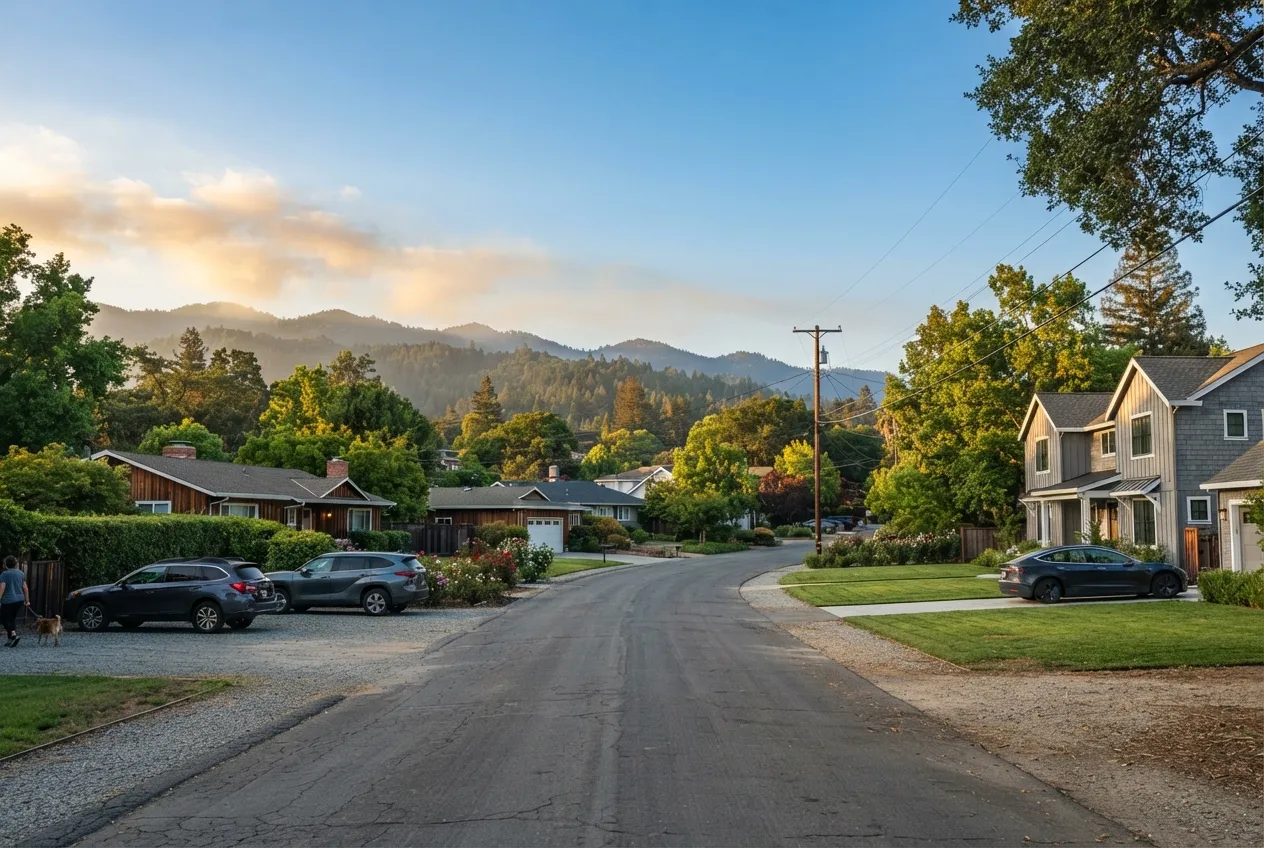
Winters in the Santa Clara Valley are gentle by national standards, yet a furnace that goes quiet on a damp forty-degree morning still makes a house uncomfortable fast. ExpertFlow HVAC Repair Service diagnoses and fixes gas furnaces in Los Altos, Los Altos Hills, Mountain View, Palo Alto, Cupertino and Sunnyvale. Because local furnaces sit idle for much of the year, many problems show up on the first chilly night of fall: an igniter that cracked over the summer, a flame sensor coated with dust, a pilot assembly that will not stay lit, or a condensate trap that dried out and now leaks. Our technicians track down the actual cause rather than swapping parts until something works, and we explain each finding before doing any repair. This page covers the warning signs, the checks we perform, how we think about fix-or-replace decisions and what goes into the bill.
Symptoms that call for a technician
Some issues are clearly urgent; others start as small annoyances that become breakdowns if ignored. Here is what tends to come before a repair call:
- The blower runs but the air from the vents stays cool
- You hear the furnace click and try to light several times, then give up
- The system starts, runs for a minute or two and shuts down again
- A burning-dust smell lingers well past the first run of the season
- Water pools around the base of a high-efficiency unit
- The thermostat display is blank or the furnace ignores it
- Grinding, squealing or banging comes from the cabinet
- A rotten-egg odor near the unit, which means leave the house and call the gas utility first
Our diagnostic checklist
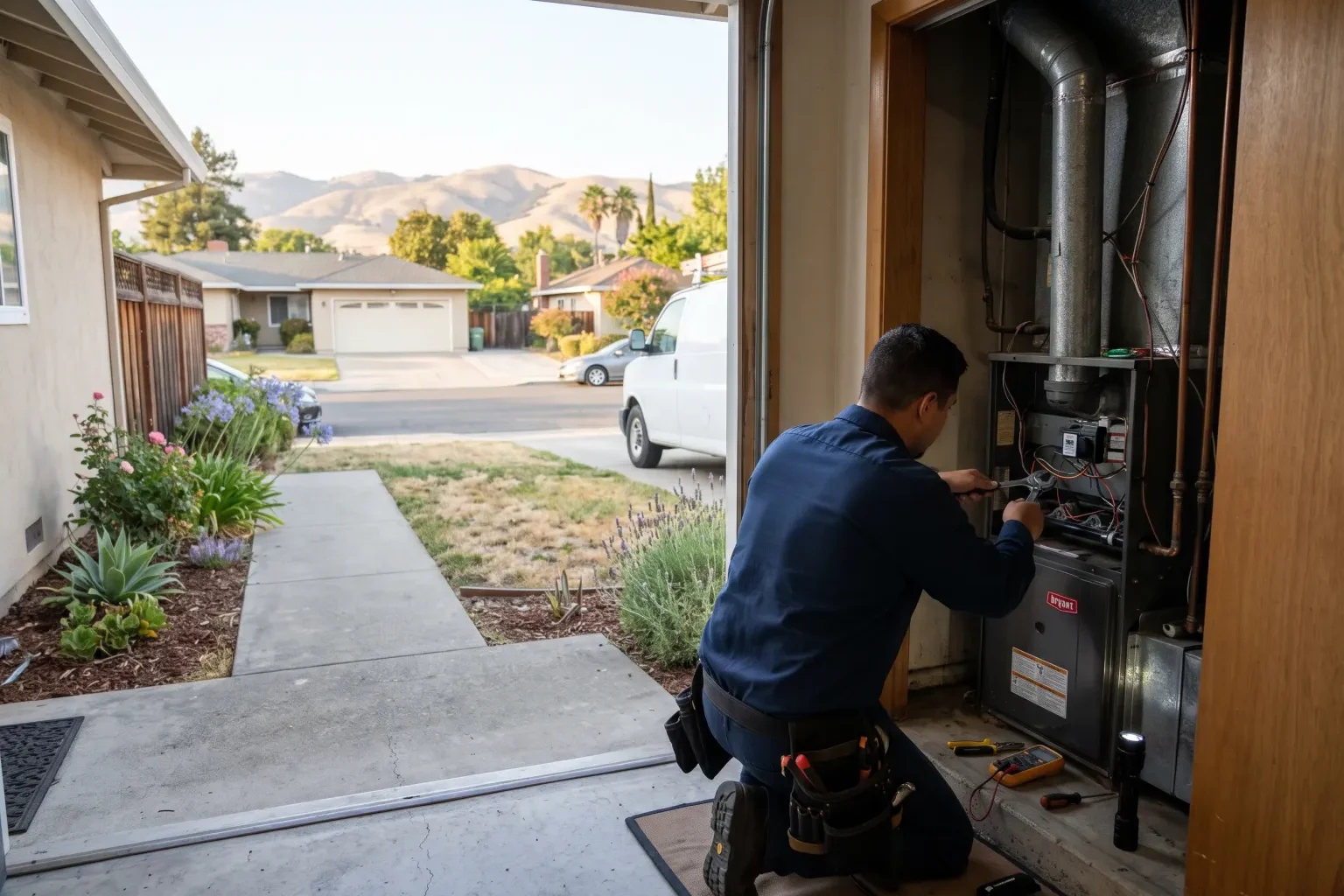
A repair visit starts with a conversation about what you noticed and when, because timing often points straight at the cause. Then the technician works through the system in order, from the thermostat signal down to the burners and back out through the ducts.
On the ignition side, we test the hot surface igniter or pilot, clean and check the flame sensor, and watch the burner flame for color and stability. We read the control board's error codes and verify each safety device, including the high-limit switch, rollout switches and pressure switch. On the air side, we inspect the filter, blower motor and capacitor, and the belt on older belt-drive units. For condensing furnaces, the drain trap, hoses and inducer motor get a close look. We also measure gas pressure and check the vent for blockage or disconnection, since a vent problem can trigger shutdowns that look like ignition faults.
Safety comes first. If we see signs of a cracked heat exchanger or carbon monoxide spillage, we will explain the risk, shut the furnace down and talk about next steps.
When fixing it makes sense, and when it does not
The majority of furnace calls end with a straightforward repair. Igniters, flame sensors, capacitors, pressure switches and inducer motors are common replacements that restore heat without touching the rest of the system.
Replacement deserves a look when a major component fails on an older unit, when the heat exchanger is compromised or when the same problems return season after season. We share our honest read and you decide. There is no rule in the Bay Area that requires you to replace a working furnace; the Air District's appliance rules apply only when equipment fails or is replaced. If you do end up replacing it, the zero-NOx standard for gas furnaces manufactured from 2029 is a reason many owners consider a heat pump instead, and we can price both.
What determines the repair bill
We give you a clear price before starting any repair, and you can approve or decline. The number depends on a handful of factors:
- Which part failed, and whether it is a universal component or specific to your furnace brand
- Whether the part is on the truck or has to be ordered
- How easy the furnace is to reach, since attic and crawlspace units take more time
- Whether one failure caused a second, such as a bad capacitor damaging the blower motor
- Timing of the visit, for calls outside regular scheduling
From your call to warm rooms again
When you reach out, we ask a few questions about the symptoms and the furnace's location and book a visit window. The technician confirms arrival, puts on shoe covers and looks at the thermostat before heading to the unit.
After diagnosis, you get an explanation of what failed, what we recommend and the price. With your approval we complete the repair, usually on the same visit when the part is in stock. We then run the furnace through several full cycles, confirm proper temperature rise and safety operation and replace the filter if it needs it. If a part must be ordered, we schedule the return trip and, when it is safe, leave the system running in a limited way so the house is not without heat.
Keeping the next breakdown away
A fall tune-up before the heating season catches the dusty flame sensor and the weak capacitor before they leave you cold. Changing the filter on schedule protects the blower and heat exchanger, and keeping storage boxes away from the furnace closet helps combustion air flow freely. If you have a condensing furnace, keep the drain line clear and watch for drips. These small habits stretch the time between repair calls.
Furnace Repair by city
- Furnace Repair in Los Altos Hills
- Furnace Repair in Mountain View
- Furnace Repair in Cupertino
- Furnace Repair in Palo Alto
- Furnace Repair in Sunnyvale
- Furnace Repair in Santa Clara
- Furnace Repair in Saratoga
- Furnace Repair in Portola Valley
- Furnace Repair in East Palo Alto
- Furnace Repair in Menlo Park
- Furnace Repair in Atherton
- Furnace Repair in Campbell