The short answer
Furnace repairs in Los Altos Hills often involve attic units, multiple furnaces and long vent runs, alongside routine ignition and sensor failures. We test combustion safety, diagnose the actual fault, and give you clear repair options, with replacement discussed only when it makes sense.
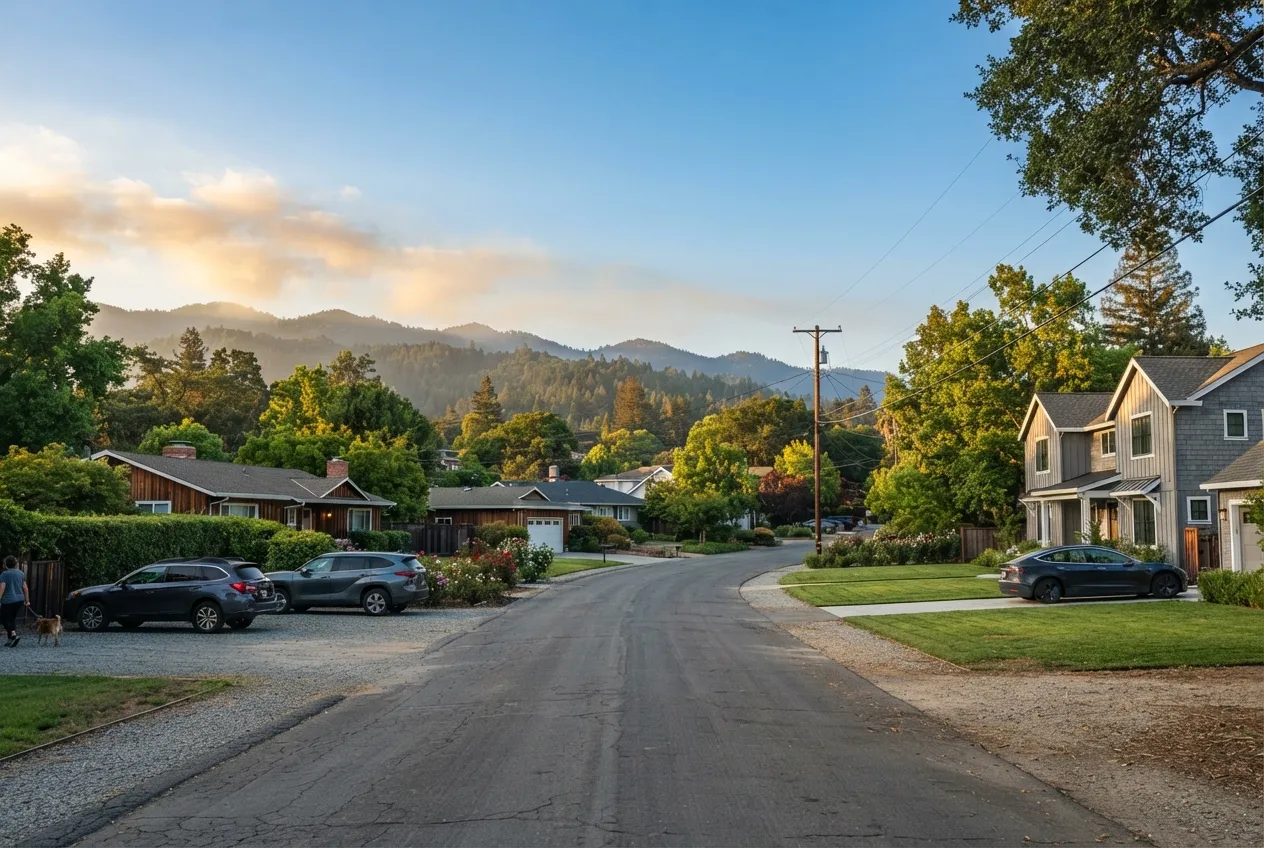
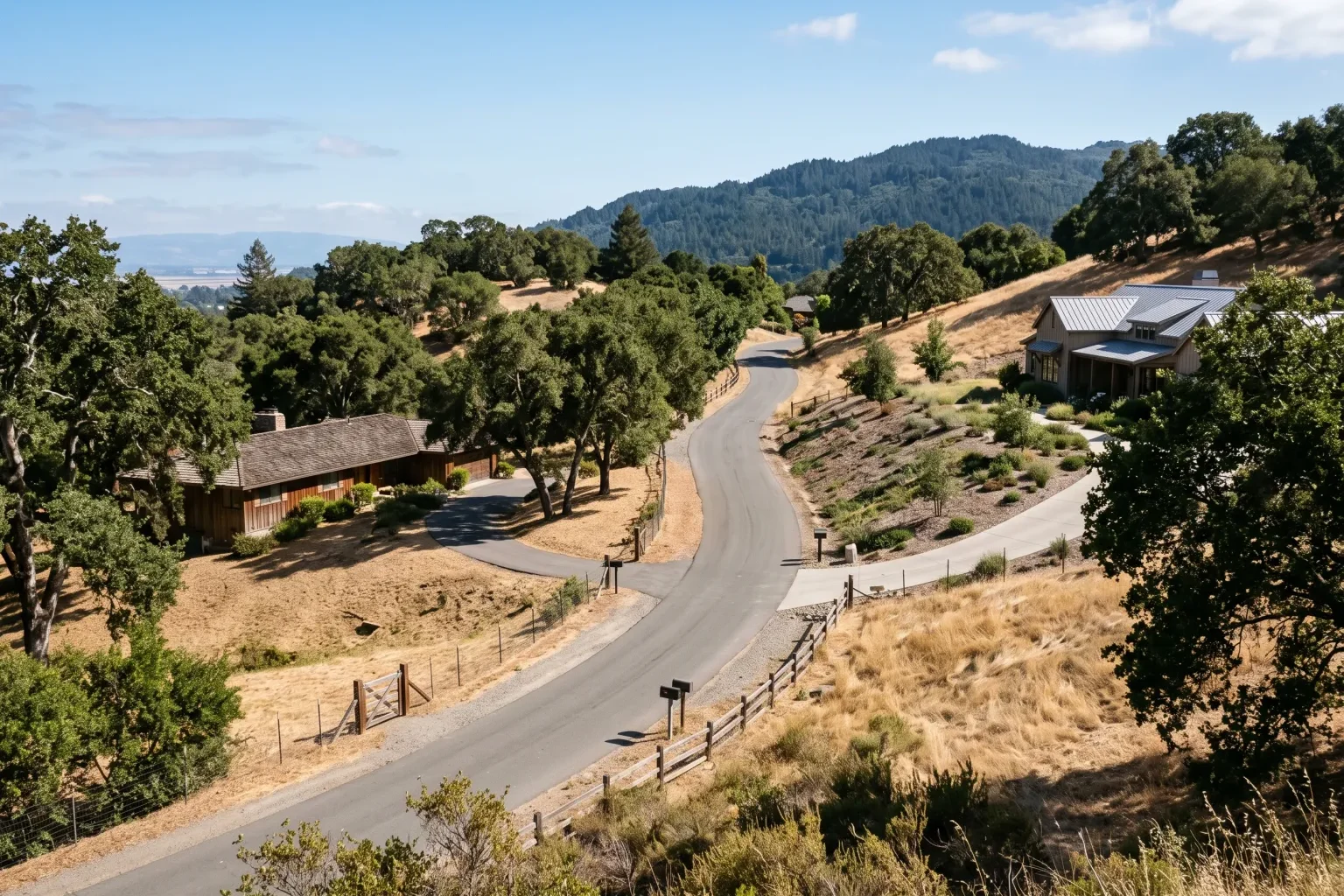
Homes on higher ground in Los Altos Hills can cool off quickly once the sun drops behind the ridge, and a furnace that worked last spring may struggle on the first chilly evening of fall. Many houses in the 94022 area also have more than one furnace, often one in the attic for the upper floor and another in a basement, crawlspace or garage for the main level. That arrangement means more equipment to look after, and more places for a quiet problem to hide. ExpertFlow HVAC Repair Service is three miles away in Los Altos, and furnace repair in the Hills is a regular part of our work. This page explains the failures we commonly diagnose, the extra care attic and multi-furnace setups require, and how we approach the repair-or-replace question honestly.
Attic furnaces need special attention
Attic installations are common in two-story and split-level homes, and they come with their own set of risks. The equipment spends summers in extreme heat, which ages wiring, control boards and rubber hoses faster than a unit in a cool garage. Venting often runs a long way before it exits the roof, and every joint along that path needs to stay sealed and properly sloped.
High-efficiency furnaces in attics produce condensate, and the drain lines and pumps that carry it away can fail or clog. When they do, the furnace may shut itself down on a safety switch, or worse, water can leak onto the ceiling below. Checking drains, traps and condensate pumps is part of every attic furnace visit we make.
Faults we diagnose most often
Most furnace failures fall into a familiar set of categories. Knowing them helps explain what you may be seeing at home.
- Ignition failures from cracked hot surface igniters or worn spark igniters, which leave the inducer running with no flame.
- Flame sensors coated with residue, causing burners to light briefly and shut off again.
- Pressure switch trips caused by blocked vents, cracked hoses or a weak inducer motor.
- Blower motor and capacitor failures that stop warm air from leaving the cabinet.
- Overheating and limit switch trips from dirty filters or closed registers.
- Control board faults, often signaled by blinking diagnostic lights on the panel.
Homes with more than one furnace
When a house has two or three furnaces, owners sometimes assume all of them are in the same condition. They rarely are. One may have been replaced during a remodel while another dates to original construction. Different units may run very different hours depending on which part of the house is used most.
We look at each furnace individually, note its age and condition, and give you a clear picture of where things stand. That makes it easier to plan ahead, repairing what makes sense now and budgeting for future replacement of the oldest equipment instead of facing two failures in the same winter.
Combustion safety on every call
Furnace repair is not only about restoring heat. We check gas pressure, burner flame, draft through the vent, and the condition of accessible heat exchanger surfaces. Rollout and limit switches are tested to confirm they will shut the furnace off if something goes wrong. If we find a condition that could allow carbon monoxide into the home, we explain it clearly and recommend keeping the furnace off until it is corrected.
Working carbon monoxide alarms on every level, especially near bedrooms, are an inexpensive layer of protection in any home with gas appliances.
Repairing versus replacing
A furnace with a sound heat exchanger and a manageable repair is usually worth keeping. When a unit is old, needs a costly part and has a history of breakdowns, replacement becomes a reasonable conversation. The Bay Area Air District rules do not require replacing working equipment; they apply only when a furnace fails or is replaced.
Looking further ahead, Rule 9-4 requires natural gas furnaces manufactured from 2029 to meet a zero-NOx standard, which in practice points homeowners toward heat pumps. For a home with multiple furnaces, that can shape a long-term plan, for example converting one zone to a heat pump when its furnace wears out while keeping a newer furnace elsewhere. We can lay out these options without pressure.
Nearby communities
Beyond Los Altos Hills, we repair furnaces in Palo Alto, Mountain View, Portola Valley, Cupertino and Sunnyvale.
More services in Los Altos Hills
- AC Repair in Los Altos Hills
- Heating Repair in Los Altos Hills
- Heat Pump Installation in Los Altos Hills
- AC Installation in Los Altos Hills