The short answer
New AC systems in Los Altos Hills usually need zoning or more than one unit, because larger multi-level homes and sun-exposed hillsides heat unevenly. We calculate the load room by room, plan equipment placement around the slope and design the system for quiet, even cooling.
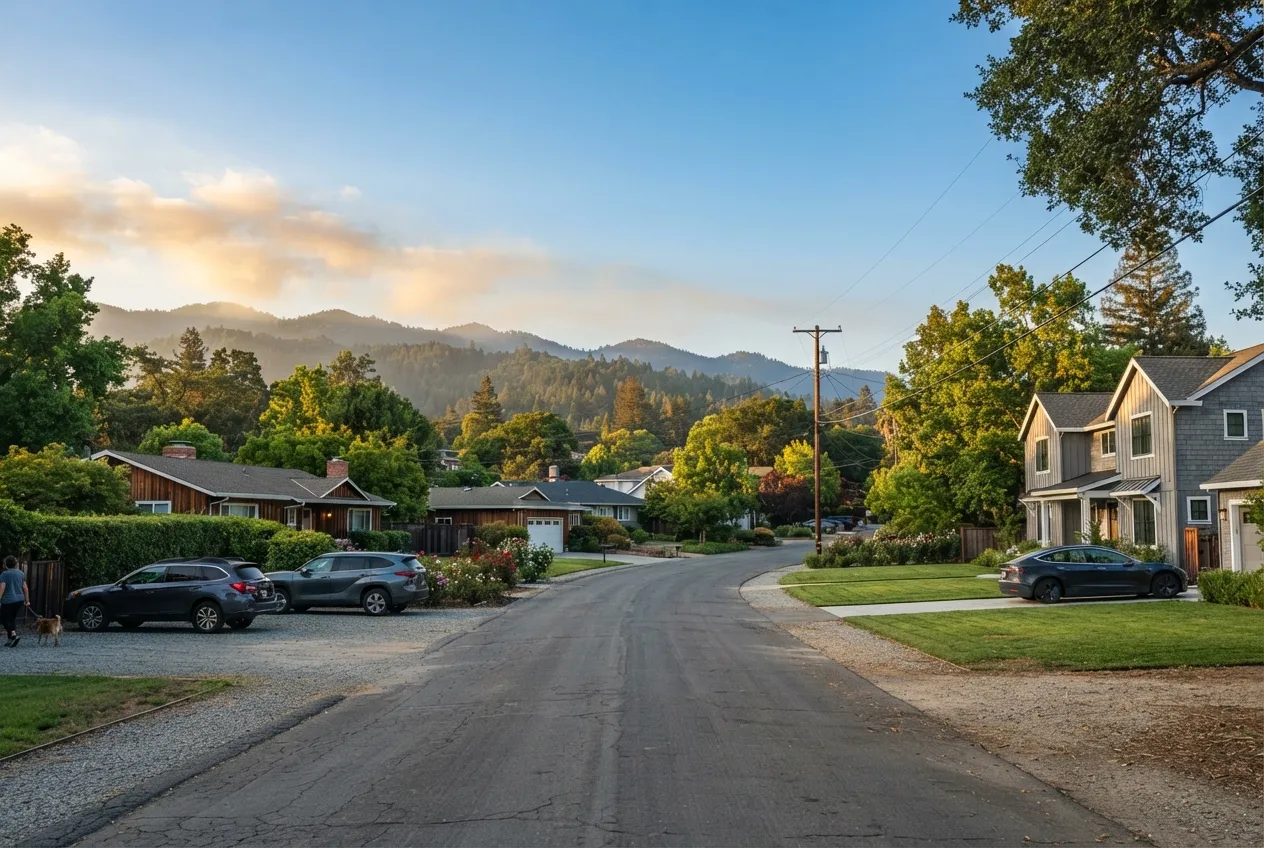
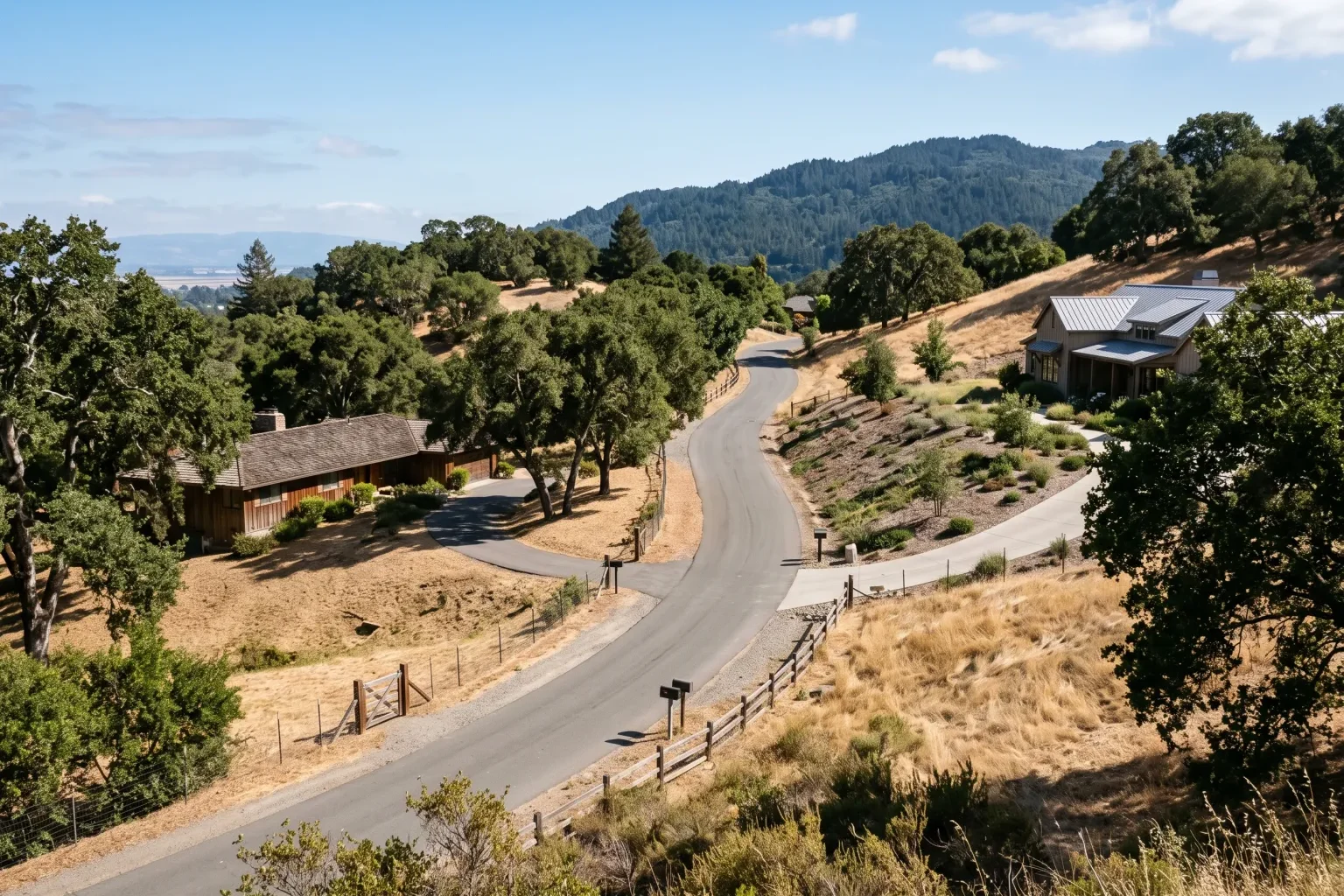
Installing air conditioning in Los Altos Hills is a different exercise from doing it on a flat suburban block. Homes in the 94022 ZIP code often sit on sloped lots, spread across several levels or wings, and face long afternoons of sun on hillside exposures that the valley floor never sees. Some were built with cooling from the start; many older ranch homes and additions were not. ExpertFlow HVAC Repair Service is based just three miles east in Los Altos, so the Hills are a short drive for us, and we know the planning questions that come up when a house is large, layered and set into a slope. This page covers how we design a new AC system for these homes, why zoning so often comes into play, and the site details that decide where equipment can actually go.
Large homes rarely cool evenly with one thermostat
The Santa Clara Valley has dry summers, and the foothills catch plenty of direct sun. In a home with a long west-facing glass wall, a second story over a garage or a primary suite in a separate wing, temperatures can differ by several degrees between rooms at the same moment. A single system controlled by one hallway thermostat will overcool some spaces while others stay warm.
That is why so many installations here involve zoning, where motorized dampers in the ducts send air where a thermostat calls for it, or two or more separate systems serving different parts of the house. We decide between those approaches after mapping the layout, the duct runs and how each area is actually used day to day.
How we design the system
Good design starts with numbers rather than guesses. Our process for a Los Altos Hills home looks like this.
- A room-by-room load calculation that accounts for glass area, orientation, insulation, ceiling height and shading from trees or the hillside itself.
- An inspection of existing ducts, including those in attics and crawlspaces, to see whether they can carry cooling airflow or need to be resized and sealed.
- A review of the electrical service, since adding one or more condensers or heat pumps can push an older panel to its limit.
- A written proposal showing the equipment, zones, outdoor unit locations and refrigerant line routes so you can see the plan before work begins.
Placing equipment on a sloped lot
Hillside properties make outdoor unit placement a genuine design decision. Condensers need a solid, level pad, clear airflow on all sides, a path for rain and condensate to drain away, and access for future service. On a steep lot, the obvious spot is sometimes a poor one because of drainage or a long refrigerant line run.
Line set length matters more than many people think. Every manufacturer sets limits on how long and how high the refrigerant lines can run between the indoor and outdoor units. On large homes, we often position equipment closer to the area it serves rather than grouping everything at one end of the property.
We also consider sound. Variable-speed outdoor units are quiet, but on a property where patios and bedrooms open to the outdoors, we keep equipment away from the spaces you use most.
Equipment choices that suit the Hills
Variable-speed and two-stage systems are a strong fit here. They spend most of the day running at low output, which keeps temperatures steady, removes moisture and avoids the blast-and-stop pattern of single-speed units. For guest houses, studios or a room above the garage, a ductless mini-split can cool the space independently without extending the main ductwork.
If the furnace in the home is also aging, a heat pump is worth comparing against a straight AC. It provides cooling now and can take over heating later. Under Bay Area Air District Rule 9-4, gas furnaces manufactured from 2029 must meet a zero-NOx standard, which points future replacements toward heat pumps. The rule does not require you to replace a working furnace, so it is simply one factor in the plan. Current BayREN and local clean energy provider incentives change by funding cycle, and we confirm them before quoting.
Permits and scheduling
Los Altos Hills is its own town in Santa Clara County, and new HVAC equipment requires a permit through the town. We include that step in the timeline. Larger, multi-zone projects are scheduled in phases so that part of the house stays usable during the work. We also install AC in Palo Alto, Mountain View, Portola Valley, Cupertino and Sunnyvale.
More services in Los Altos Hills
- AC Repair in Los Altos Hills
- Heating Repair in Los Altos Hills
- Heat Pump Installation in Los Altos Hills
- Furnace Repair in Los Altos Hills