The short answer
Heating repair starts with identifying what kind of system you have and tracing the fault, whether it is a furnace, wall or floor heater, or heat pump. We explain the problem, quote the fix up front and help you weigh repair against replacement for older units.
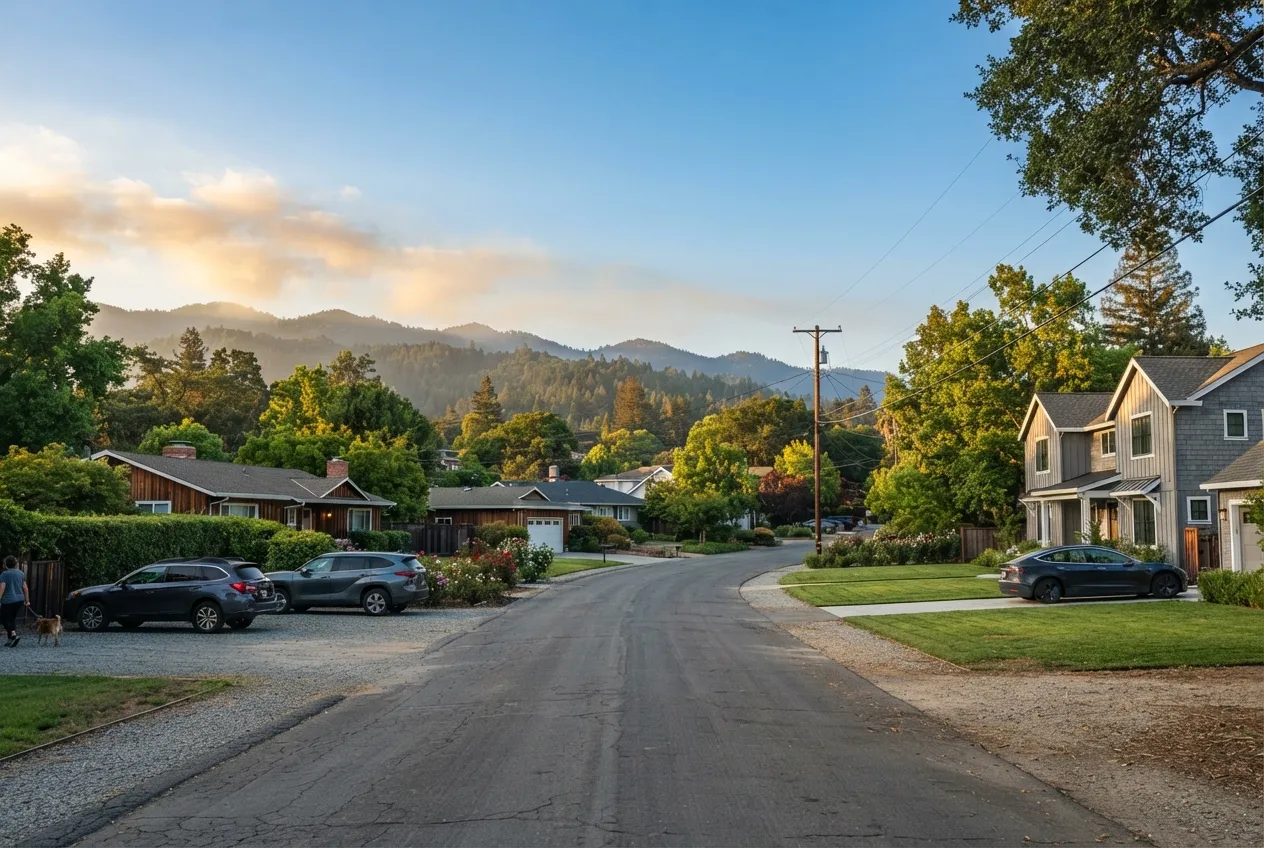
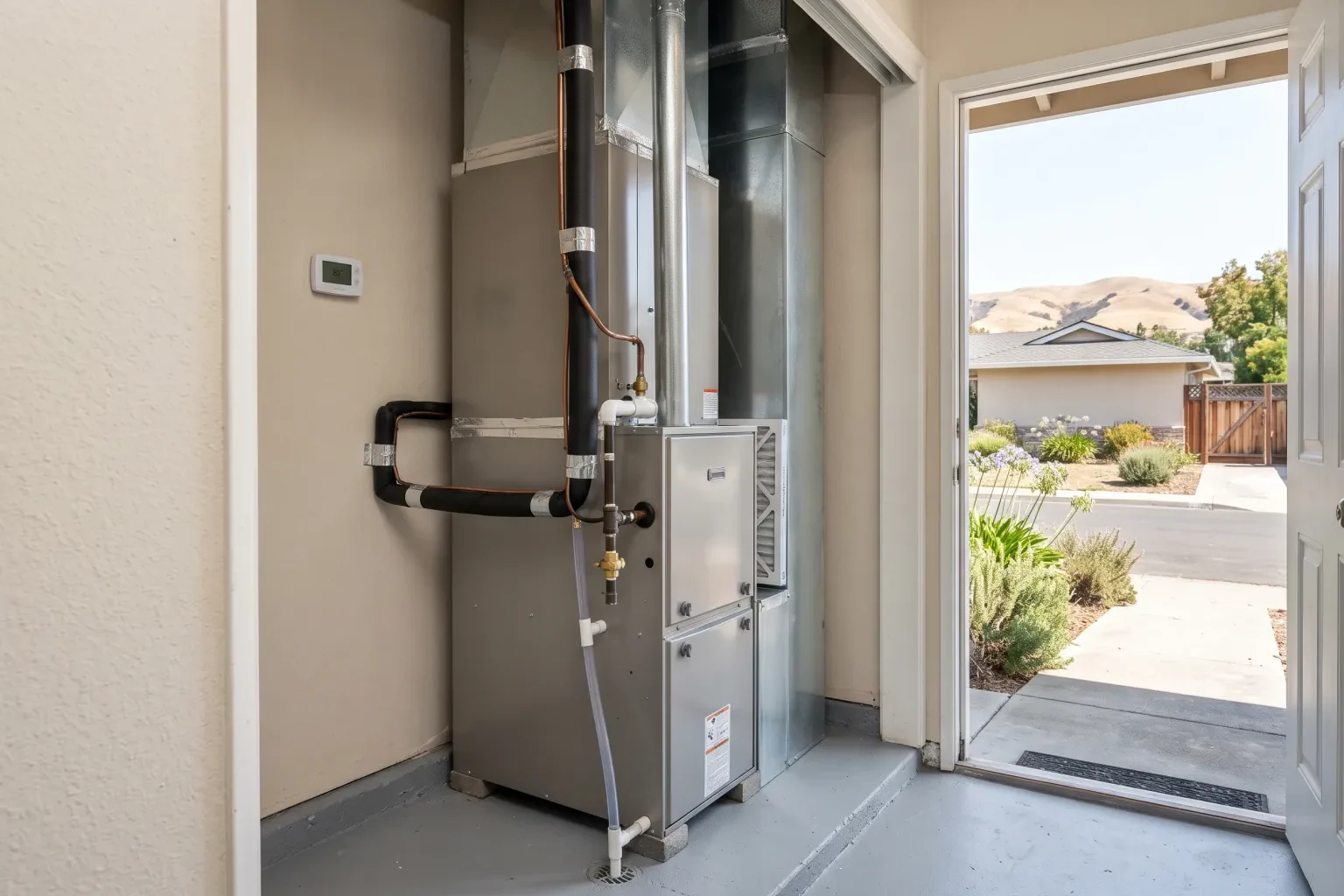
Los Altos has an unusually mixed collection of heating equipment. Mid-century ranch homes may still rely on a floor furnace set into the hallway or a wall furnace between two rooms. Remodeled houses often have a forced-air gas furnace in the attic or garage. Newer projects and additions increasingly use heat pumps, either ducted or as mini-splits. Each type fails in its own way, and repairing it well means knowing the quirks of that equipment. ExpertFlow HVAC Repair Service fixes all of these in Los Altos, Los Altos Hills, Mountain View, Palo Alto, Sunnyvale and Cupertino. Because valley winters are damp and cool rather than bitterly cold, heating systems here spend long stretches idle, then get asked to work hard for a few weeks. That stop-and-start pattern is behind a lot of the problems we see in late fall: dried seals, dusty sensors, stuck valves and batteries that died in the thermostat over the summer.
How trouble shows up, system by system
The symptoms differ depending on what heats your home. Recognizing the pattern helps you describe it when you call and helps us bring the right parts.
With a forced-air furnace, common signs are cool air from the registers, repeated ignition attempts or a blower that never stops. Wall and floor furnaces tend to show a pilot that will not stay lit, a weak or uneven flame, or a grille that gets hotter than it used to. Heat pumps in heating mode may blow lukewarm air, ice over and fail to defrost, or rely heavily on backup electric strips that drive up the electric bill.
- Rooms warming slowly or not at all, even with the thermostat turned up
- A pilot light that goes out repeatedly on a gravity wall or floor unit
- Thick frost on a heat pump's outdoor coil that does not clear
- A thermostat that clicks but nothing starts
- Odors, smoke or soot marks around a heater grille or vent
- Popping or ticking in ducts beyond the usual expansion sounds
What the technician tests
Diagnosis begins at the thermostat. We confirm it is sending the right call for heat and that the wiring and settings match the equipment, which is a frequent issue after a smart thermostat upgrade on a heat pump. From there, the checks depend on the system.
For gas appliances, we inspect the pilot or igniter, thermocouple or flame sensor, gas valve and burner, and we test for proper venting and carbon monoxide. Older floor and wall furnaces get special attention to the heat exchanger and draft, since these units sit close to living spaces. For heat pumps, we check the reversing valve, defrost board and sensors, refrigerant pressures and the auxiliary heat circuit. For any ducted system, we look at the filter, blower, ductwork connections and return air, because poor airflow masquerades as many different faults.
If anything we find is a safety concern, we tell you directly and will not restart the equipment until it is addressed.
Deciding whether to repair or move on
A repair is the right call most of the time. Thermocouples, igniters, capacitors, sensors and control boards are routine fixes that bring heat back without a large project.
Floor and wall furnaces are a special case. Many are decades old, parts can be scarce and their placement makes safety margins thin. When one shows heat exchanger damage or venting problems, replacement is usually the responsible path. Homeowners often use that moment to install a ductless heat pump, which delivers heating plus cooling without adding ducts to a house that never had them.
No Bay Area Air District rule obliges you to pull out heating equipment that still works; the appliance rules come into effect only when a unit fails or is replaced. Looking ahead, gas furnaces built from 2029 must meet a zero-NOx standard under Rule 9-4, which is one reason replacements are trending toward electric heat pumps. We present the options for your specific house, and the decision stays yours.
Pricing factors for heating repairs
Every repair is quoted before any work begins. The main things that influence the total are the type of system and the specific failed component, how easy the part is to source for older or less common equipment and where the unit is located. A hallway floor furnace accessed from a crawlspace takes longer to service than a garage furnace with open access. Diagnosis that uncovers more than one issue, refrigerant work on a heat pump, and visits outside standard hours can also change the final number. We explain each line before you approve it.
Your repair appointment, step by step
When you contact us, we ask what kind of heater you have, where it sits and what it is doing. That helps the technician arrive prepared. On site, we protect floors, listen to your description, then test the system from the thermostat through to the equipment and air delivery.
Once we know what failed, we explain the cause in plain terms, give you the repair price and, where relevant, mention any related wear we noticed. You decide whether to proceed. Most repairs are completed during the same visit. Afterward, we run the system through a full heating cycle, check temperatures at several rooms and confirm safety controls before we leave. If a part has to be ordered, we schedule the return and let you know whether the system can run safely in the meantime.
Heating Repair by city
- Heating Repair in Los Altos Hills
- Heating Repair in Mountain View
- Heating Repair in Cupertino
- Heating Repair in Palo Alto
- Heating Repair in Sunnyvale
- Heating Repair in Santa Clara
- Heating Repair in Saratoga
- Heating Repair in Portola Valley
- Heating Repair in East Palo Alto
- Heating Repair in Menlo Park
- Heating Repair in Atherton
- Heating Repair in Campbell