The short answer
A Palo Alto AC installation starts with matching the system type to how the house was built: ducted where attics and crawlspaces allow, ductless where they do not. We size by load calculation, plan quiet outdoor unit placement and handle permits and commissioning.
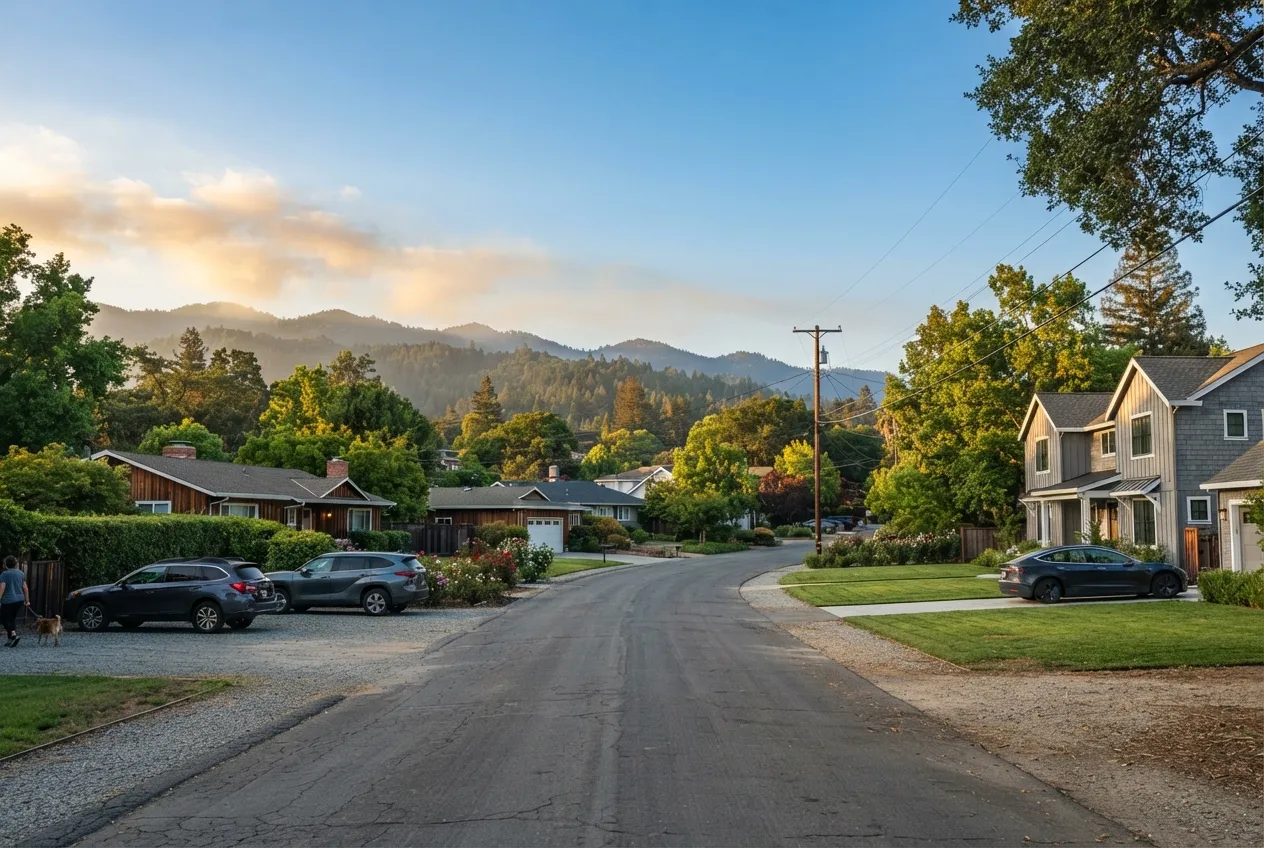
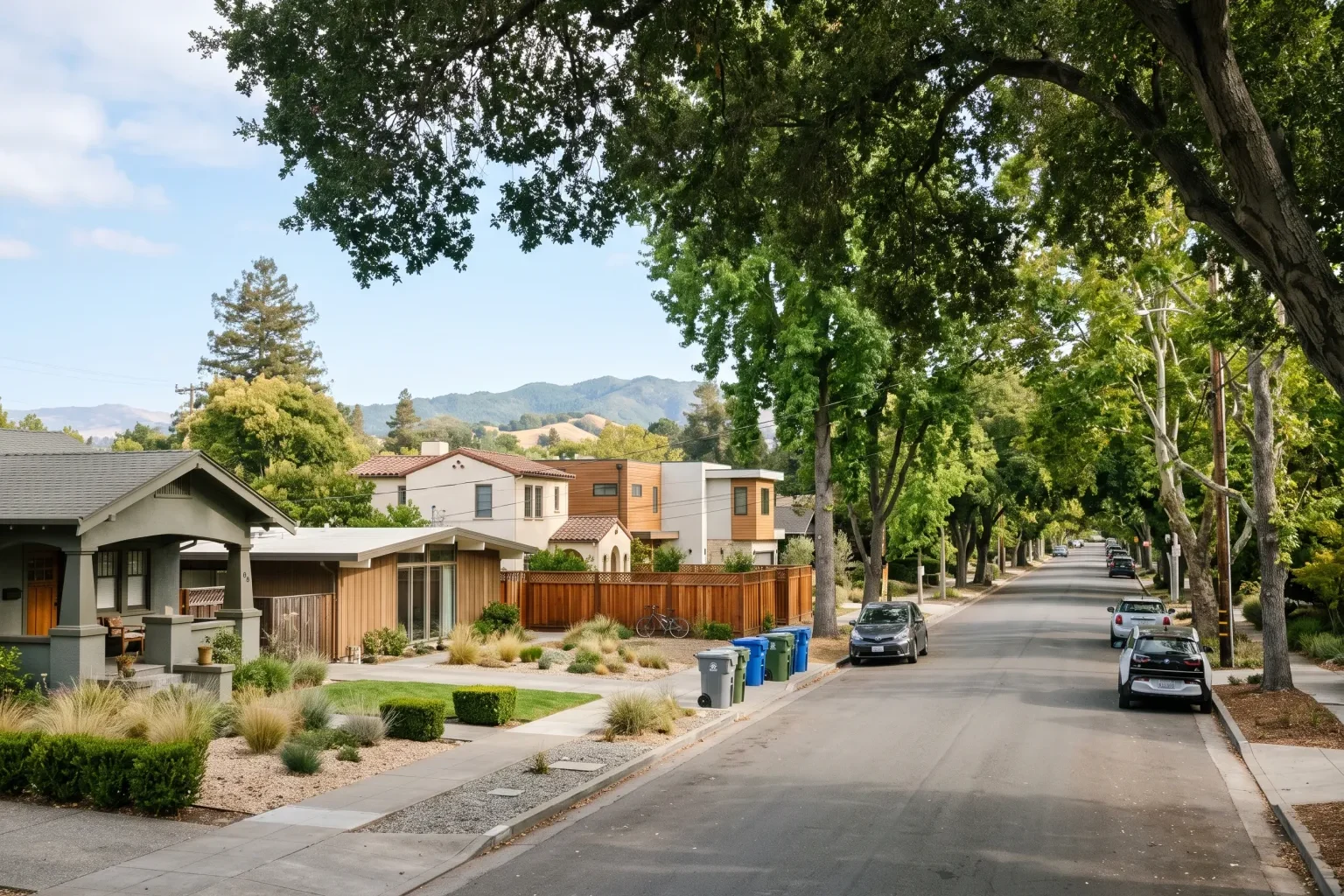
Installing cooling in a Palo Alto house is rarely just a matter of picking a unit off a spec sheet. The housing stock ranges from early twentieth century bungalows with shallow attics to mid-century single-story homes built on slabs, plus newer two-story rebuilds with tight side setbacks. Each of those shapes the equipment, the route for refrigerant lines and where an outdoor unit can sit without bothering anyone. ExpertFlow HVAC Repair Service is roughly four miles southeast in Los Altos, and we design and install air conditioning across 94301, 94303, 94304 and 94306. What follows is a practical checklist of the decisions that shape a good installation here.
Decision one: does the structure support ducts?
Ducted central air works when there is a reasonable path for supply and return ducts, usually an attic or a crawlspace with enough height to work in. Many older Palo Alto homes have one or the other, and some already have furnace ducts that can carry cooled air once a coil is added.
Homes built on slab with low-pitched or open-beam ceilings often lack that space entirely. Running new ducts there means soffits or dropped ceilings, which most owners would rather avoid. For those houses, ductless mini-split heads or small-duct high-velocity systems are usually the more sensible answer, and they let you condition only the rooms that need it.
- Attic with clear height and existing furnace ducts: add a coil and outdoor unit
- Crawlspace access but no attic: underfloor ducts are often workable
- Slab floor and open-beam ceiling: ductless heads in key rooms
- Mixed construction with an addition: central system plus one or two ductless heads
Decision two: how much capacity, really
Palo Alto sits close to the Bay and enjoys milder summers than the southern and inland stretches of the Santa Clara Valley, which run noticeably hotter. That makes right-sizing important. A system that is too large runs in short bursts, does a poor job of removing humidity on the odd muggy day and wears out sooner.
We calculate loads room by room, accounting for glass area, shading from trees and neighboring buildings, insulation and how many people use each space. Remodeled homes with large window walls facing west often need more cooling in specific rooms than the square footage would suggest, while shaded older homes may need less than expected.
Decision three: where the outdoor unit goes
With narrow side yards common in parts of the city, outdoor unit placement deserves real thought. The unit needs clearance for airflow and service, a stable pad, and a location that keeps operating sound away from bedroom windows on both sides of the property line. We favor modern variable-speed condensers and heat pumps in these spots because they run at low speed most of the time and are noticeably quieter.
We also plan the refrigerant line route so it is short, protected and neat on the exterior. When the city requires permits for the mechanical and electrical work, we prepare the submission and meet the inspector.
Decision four: cooling only, or cooling plus heat
If your gas furnace is older, it can make sense to install a heat pump now rather than a cooling-only air conditioner. The heat pump cools in summer and heats through Palo Alto's mild, damp winters, and the furnace can either be removed or kept as backup. Bay Area Air District rules require new gas furnaces manufactured from 2029 to meet a zero-NOx standard, though nothing obliges you to remove one that still works.
For incentives, BayREN and your local utility or clean energy provider are the places to check, and amounts change by funding cycle. The federal 25C credit ended for heat pumps placed in service after December 31, 2025.
Installation and handoff
Our crews protect floors and finished surfaces, set and level equipment, braze lines with nitrogen flowing to prevent internal scale, pressure test, evacuate and charge to specification. We then verify airflow, temperature drop and thermostat operation, and show you filter access and basic settings. We also install cooling for homeowners in Los Altos Hills, Mountain View, East Palo Alto, Atherton and Portola Valley.
More services in Palo Alto
- AC Repair in Palo Alto
- Heating Repair in Palo Alto
- Heat Pump Installation in Palo Alto
- Furnace Repair in Palo Alto